Home Blog Page 5

Igbuzo Youth Council Purchases APC Nomination Form for Hon. Frank Esenwah

By: Ike Philip Abiagom – Newsbreeze

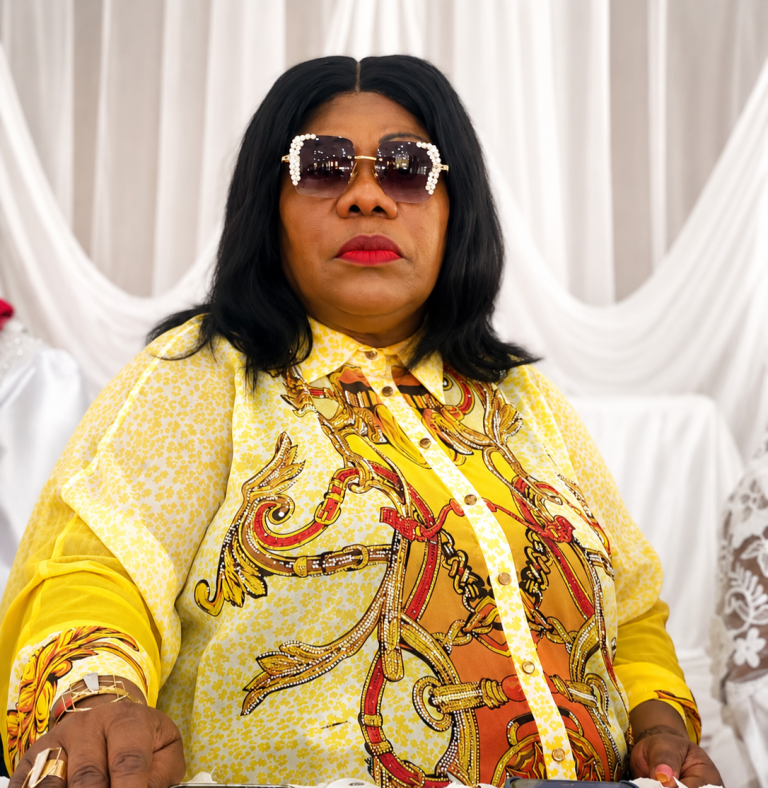
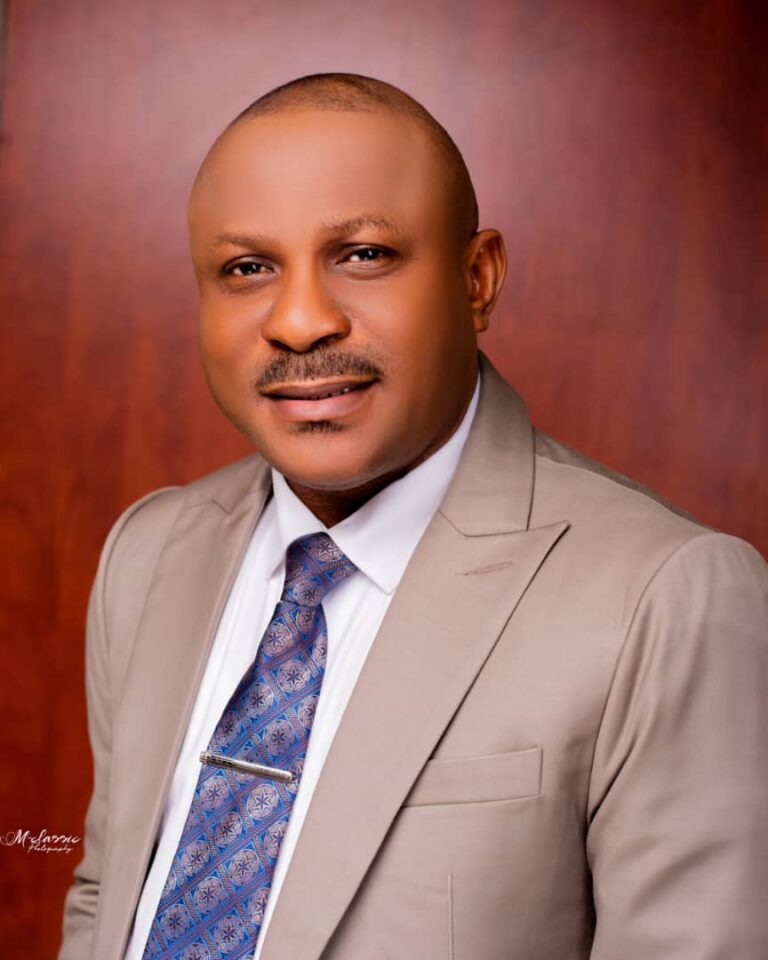
The Igbuzo Youth Council has purchased the All Progressives Congress (APC) House of Assembly nomination form for Hon. Frank Esenwah, the incumbent member representing Oshimili North Constituency in the Delta State House of Assembly, in a strong show of solidarity and confidence in his leadership.

The nomination form was formally presented to Hon. Esenwah at his residence on Friday by the leadership of the youth body, led by its President, Comrade Ifeanyi Asiodu, alongside prominent APC stakeholders from Ogboli and a former Legislative Aide to late Senator Peter Nwaoboshi.

Speaking during the presentation, the youth council described Hon. Esenwah as a worthy representative who has provided proactive and people-oriented representation for the entire Oshimili North Constituency over the past three years.

According to the group, the decision to purchase the form was informed by the lawmaker’s performance, accessibility, and commitment to the welfare and development of the constituency.

The council also emphasized the strong ancestral ties between Hon. Esenwah and Igbuzo, noting that although his father hails from Illah, his mother is from Igbuzo, making him a true son of the community.

“We are proud of Hon. Frank Esenwah and the quality representation he has given to Oshimili North. He has shown capacity, dedication, and commitment to the people. That is why the youths of Igbuzo decided to support him by purchasing his APC nomination form,” the council stated.

The youth body further pledged total support for the lawmaker ahead of the forthcoming election, assuring him of overwhelming votes from Igbuzo and other parts of the constituency.

We will mobilize massively for him because he has performed creditably well. The youths are proud of his representation and we believe he deserves another opportunity to continue his good work, the group added.

Responding, Hon. Esenwah expressed gratitude to the Igbuzo Youth Council and APC leaders for the gesture, describing it as a demonstration of love, trust, and confidence in his leadership.

He assured the people of Oshimili North of his continued commitment to quality representation, grassroots development, and the advancement of the constituency if re-elected.

Achalla–Ibusa Community Protests at Delta Government House Over Abandoned Road Project

By: Ike Philip Abiagom

Igbuzo communities in Oshimili North Local Government Area of Delta State on Thursday staged a peaceful protest at the Government House, Asaba, demanding urgent intervention from Governor Sheriff Oborevwori over the alleged abandonment and poor execution of the Achalla–Ibusa road project.

The protesters, made up of youths, women, elders, and community leaders, decried the deplorable condition of the road, describing it as the only major access route linking Achalla and Ibusa communities to Asaba and neighboring areas.

The protest was led by the Secretary General of the Ibusa Youth Council, Comrade Vincent Ollimah; Anyalobum Youth President, Comrade Steve Mamoh; President General of Achalla Ibusa, Comrade Lawrence Nwanze; and Community Secretary, Comrade Emeka Okolo.

Carrying placards with different inscriptions, the demonstrators appealed to Governor Oborevwori to urgently intervene in what they described as years of neglect, hardship, and suffering caused by the failed road project.

According to the community leaders, information available to them suggested that the contract awarded for the construction of the Achalla–Ibusa road may terminate several kilometres before reaching Ibusa town, a development they described as unfair and unacceptable.

The protesters questioned why the road project would allegedly stop short of Ibusa despite the community being part of the Delta State capital territory.

We want to know what offence Ibusa people have committed. Why should the road stop after Asaba without getting to Ibusa? Are we not part of the capital territory? one of the protesters asked.

They noted that the Achalla–Ibusa road remains economically strategic to both Ibusa and Asaba, lamenting that years of neglect had turned daily commuting into a nightmare for residents.
According to them, residents of Achalla travelling to Asaba are often forced to take longer alternative routes through Ibusa town, a journey that ordinarily should take only a few minutes but now stretches into several hours due to the poor condition of the road.

The Community leaders also alleged that the project earlier awarded to a contractor identified as “Ebube Dan” had been abandoned, leaving residents in untold hardship.

Speaking during the protest, the leaders acknowledged Governor Oborevwori’s infrastructural development efforts across the state but appealed for similar attention to be extended to Achalla and Ibusa communities.

They stressed that the situation has worsened with the onset of the rainy season, making transportation increasingly difficult and exposing residents to serious risks, especially during emergencies.

Despite their grievances, the protesters reaffirmed their support for Governor Oborevwori, insisting that they still believed in his administration’s commitment to development and inclusive governance.

Addressing the protesters on behalf of the state government, the Commissioner for Works (Rural Roads) and Public Information, Mr. Charles Aniagwu, commended the community members for conducting a peaceful and orderly protest.

Aniagwu assured the protesters that Governor Oborevwori was fully aware of their concerns and remained committed to ensuring fairness and transparency in the execution of projects across the state.

He explained that the government would carefully examine the issues raised by the community, noting that road construction during the rainy season requires proper planning to guarantee durability and quality delivery.

The commissioner further assured the community that the Oborevwori administration does not abandon projects once awarded and promised that their complaints would receive prompt government attention.

The protest ended peacefully with a vote of thanks delivered by the President General of Achalla Ibusa, Comrade Lawrence Nwanze, who passionately appealed to Governor Oborevwori to act swiftly in addressing the plight of the communities.

We are in serious pain. Our people have suffered for years because of this road. We are appealing to the governor to come to our rescue and ensure the completion of the Achalla–Ibusa road project, Nwanze said.

Ebu Schools in Ruins: Community Decries Total Collapse of Education System

By: Ike Philip Abiagom

In Ebu, a once-thriving community in Oshimili North Local Government Area of Delta State, the sound of school bells has grown faint, replaced by the silence of abandonment and neglect. What should be a place of learning and hope has deteriorated into a symbol of systemic failure, leaving the future of an entire generation hanging in the balance.

At the heart of this crisis lies the only primary and secondary schools serving the community—now shadows of what they once were. Crumbling walls, leaking roofs, and empty classrooms define the present reality. Desks and chairs are virtually nonexistent, forcing the few students who still attempt to attend classes to sit on bare floors or stand through lessons. In many cases, there are no lessons at all.

More troubling is the acute shortage of teachers. The schools are grossly understaffed, with some subjects left completely untaught for months. But residents say the blame does not lie with the teachers.
No one wants to come here,” a community leader lamented. There is no road, no electricity, no water. Life in Ebu is extremely difficult. Even those posted here look for ways to leave.

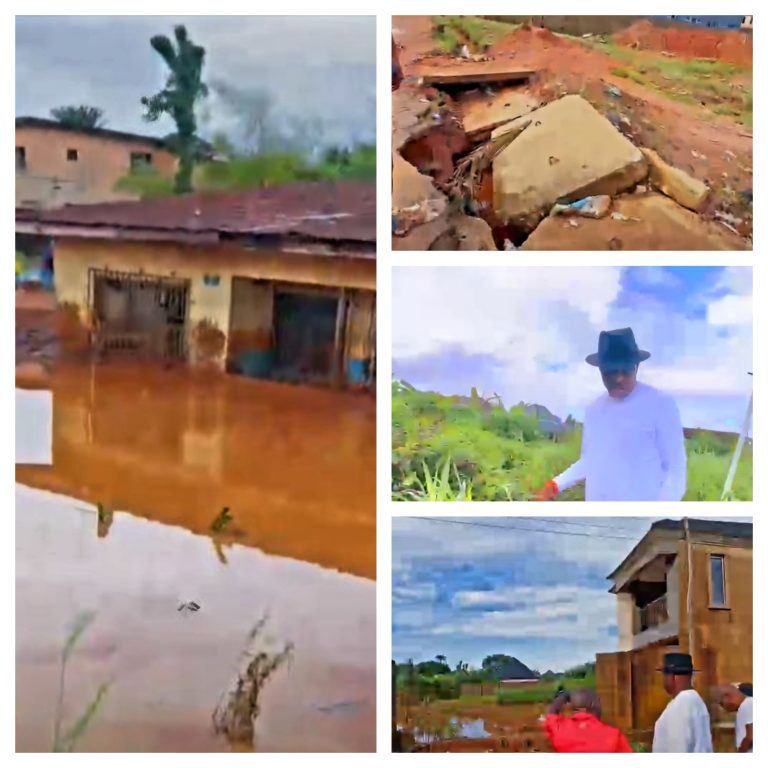
Indeed, access to the schools is itself a daily struggle. The only road leading to Ebu Grammar School becomes impassable during the rainy season, cutting off both students and teachers. On such days, education simply comes to a halt. For many children, prolonged absence from school has become the norm rather than the exception.

The implications are dire. With education widely regarded as the bedrock of any meaningful development, Ebu’s children are being denied the basic foundation needed to compete in an increasingly complex world. Parents who can afford it send their children to neighboring towns, while those who cannot are left with few options.

Community members say Ebu has long suffered from neglect in critical infrastructure, but insist that education should not be added to the list of deprivations.

Idabor Tony said that the continued collapse of the school system could deepen poverty, fuel youth restiveness, and widen inequality.

In a passionate appeal, the people of Ebu have called on Capacity Delta State Governor, Sheriff Oborevwori, to urgently intervene and rescue the community from what they describe as a “total breakdown” of its education system.

We have been patient for too long, another resident Odiri James said. “If other infrastructure has eluded us, at least give our children the opportunity to learn.

Education is their only hope. The community is begging for immediate rehabilitation of school buildings, provision of basic learning materials, recruitment and deployment of qualified teachers, and urgent repair of the access road to the schools.

As the government continues to emphasize educational reform across the state, the situation in Ebu stands as a stark reminder that policy promises must translate into real change at the grassroots.

For the children of Ebu, time is running out. Without swift intervention, a generation risks being left behind—trapped not by a lack of ambition, but by the absence of opportunity.

A Trusted Confidant: How Ibrahim Masari Anchors Tinubu’s Political Machinery

By: Ike Philip Abiagom 

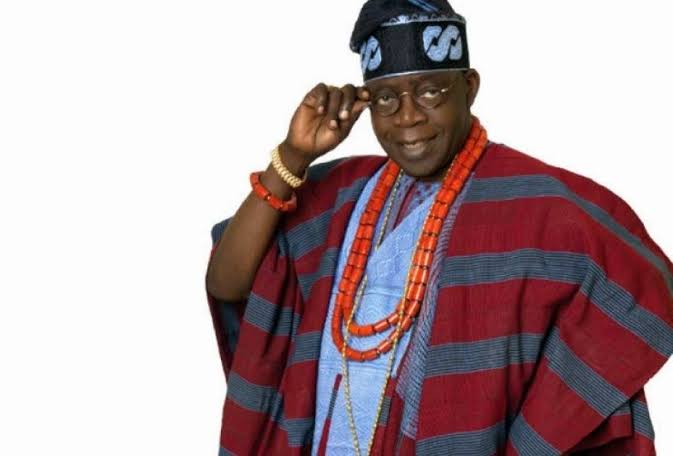
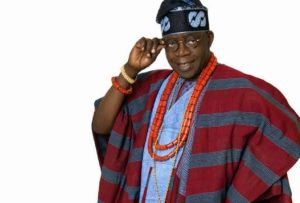
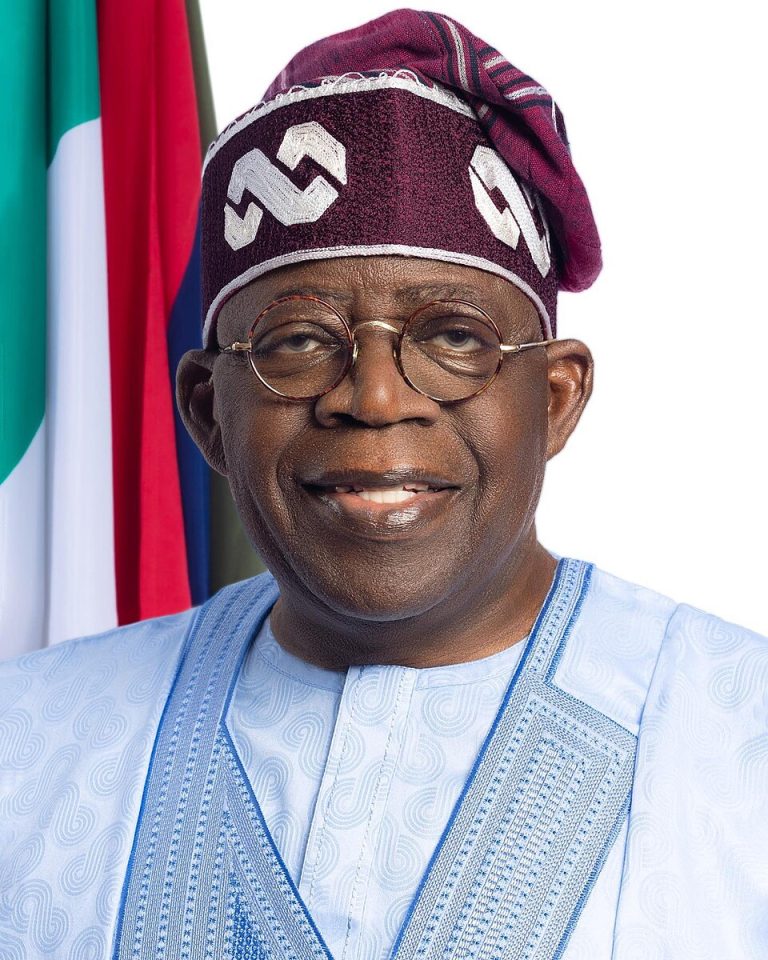
In the intricate architecture of governance, those who stand behind the throne often wield influence that quietly shapes the course of history. For President Bola Ahmed Tinubu, one such figure is Alhaji Ibrahim Kabiru Masari—a loyal ally, seasoned political strategist, and now Special Adviser to the President on Political Affairs and Other Matters.

In politics, proximity to power may open doors, but sustaining the confidence of power demands far more—integrity, competence, discretion, and unwavering loyalty. President Tinubu’s continued reliance on Masari reflects a relationship forged over time and strengthened through consistent performance. Trust at that level is neither accidental nor permanent; it is earned, tested, and repeatedly reaffirmed. Masari has, by all indications, met that standard.

Masari’s closeness to the President is not a matter of chance. It is the product of years of strategic engagement, a deep understanding of Nigeria’s complex political terrain, and a capacity to navigate sensitive issues with clarity and purpose. Within the corridors of power, he is regarded not merely as an aide but as a steady hand—one whose counsel carries weight in critical moments.

His role in the administration goes beyond ceremonial presence. From his visible participation in major political engagements, including party conventions of the All Progressives Congress (APC), to his behind-the-scenes contributions during pivotal decision-making processes, Masari has remained a consistent voice within the advisory framework of the government. These engagements underscore not just access, but influence—an indication of his embedded role in shaping political strategy at the highest level.

Before the 2023 general elections, Masari played a unique and often misunderstood role as a “placeholder” in the presidential ticket. While the term may suggest temporariness or passivity, in his case, it evolved into a powerful symbol of trust and loyalty. It signified a man entrusted with safeguarding a political mandate at a delicate stage, reflecting the depth of confidence reposed in him by President Tinubu and the party leadership.

Beyond the national stage, Masari’s political identity is deeply rooted in grassroots engagement. Hailing from Banje village in Kafur Local Government Area of Katsina State, his early exposure to community leadership and political culture shaped his lifelong commitment to public service. His formative years in Katsina laid the foundation for a career defined by mobilization, party organization, and conflict resolution.

Masari’s political journey spans multiple platforms, reflecting both adaptability and strategic alignment. He began his career under the People’s Democratic Party (PDP) during the administration of late President Umaru Musa Yar’Adua, where he emerged as a grassroots mobilizer and influential party figure in Katsina State. Following Yar’Adua’s passing, he aligned with the Congress for Progressive Change (CPC), working closely with Muhammadu Buhari to strengthen the party’s base in Northern Nigeria.

The 2014 merger that birthed the APC marked a turning point, consolidating his influence within a broader national platform. His appointment as APC National Welfare Secretary between 2018 and 2020 under former chairman Adams Oshiomhole further demonstrated his administrative capability. In that role, he championed internal reforms, improved member welfare, and contributed to stabilizing the party during a turbulent period.

Today, as Special Adviser to the President, Masari’s responsibilities extend beyond routine counsel. He operates at the intersection of politics and governance, helping to shape decisions that impact national direction. His advisory role demands not only loyalty but sound judgment—the ability to align with the President’s vision while contributing meaningfully to its execution.

Among his people in Katsina and across Northern Nigeria, Masari is widely regarded as a political mobilizer with a human touch—accessible, pragmatic, and deeply committed to community development. His growing influence has led many observers to view him as an emerging political force in the region, with the potential to shape the future of Northern politics.

An old adage holds that when a good man ascends to a position of influence, the people rejoice. Within the Presidential Villa, Masari’s presence is often associated with calm resolve and strategic clarity. His appointment has been welcomed by many who see in him a dependable figure standing firmly behind an amiable President.

In the final analysis, leadership is not defined solely by those in the spotlight, but also by those who reinforce the structure from within. In Ibrahim Kabiru Masari, President Tinubu has found more than a supporter—he has found a trusted strategist, a loyal confidant, and a quiet force shaping the rhythm of governance in contemporary Nigeria.

Tinubu’s “Renewed Hope” Agenda: Reform, Infrastructure Drive Shape Nigeria’s New Policy Direction

By: Ike Philip Abiagom 

President Bola Ahmed Tinubu’s administration has quickly become one of the most defining and debated periods in Nigeria’s Fourth Republic, marked by bold economic reforms, expansive infrastructure projects, and a governance style rooted in structural change rather than continuity.

Since assuming office on May 29, 2023, Tinubu has anchored his leadership on the “Renewed Hope Agenda,” a policy framework aimed at repositioning the nation’s economy through subsidy removal, tax reforms, foreign investment attraction, and institutional restructuring. While supporters view the approach as a long-overdue correction of fiscal imbalances, critics argue that the policies have imposed significant hardship on Nigerians already grappling with rising living costs.

A major turning point in the administration came on inauguration day with the announcement of the removal of fuel subsidy—an action previous governments had avoided due to its political sensitivity. The decision effectively ended a costly system that drained public finances for decades, freeing up resources for development. However, it also triggered immediate increases in fuel prices, transportation costs, and inflation, intensifying economic pressure on households.

Alongside subsidy removal, the administration introduced foreign exchange reforms to unify multiple exchange rates and boost investor confidence. While these measures signaled a shift toward market-driven policies, they also contributed to currency volatility and short-term economic uncertainty.

Infrastructure development has emerged as a central pillar of Tinubu’s agenda. Among the flagship projects is the proposed Lagos-Calabar Coastal Highway, a massive 700-kilometre corridor designed to connect key coastal states, enhance trade, and promote tourism. The federal government has also pursued additional highway projects, including a proposed Sokoto-Badagry route, underscoring its commitment to transport-led economic growth.

In Lagos, widely regarded as Tinubu’s political base, the administration has continued to reinforce ongoing development projects. Notably, the commissioning of the Opebi–Mende–Maryland-Ojota Link Bridge has improved connectivity across major commercial hubs, easing traffic congestion and boosting urban mobility. The project reflects a broader governance model that emphasizes continuity and long-term planning.

Beyond physical infrastructure, the administration has invested in institutional modernization. Projects such as the Lagos Geographic Information System (LAGIS) facility and the Bola Ahmed Tinubu Administrative Complex highlight efforts to strengthen land administration, improve data management, and enhance public sector efficiency.

On the economic front, Tinubu’s government has intensified efforts to boost revenue generation through tax reforms and reduced dependence on oil earnings. The administration has also supported initiatives aimed at strengthening domestic refining capacity, including backing for large-scale industrial investments like the Dangote Refinery.
Despite these efforts, challenges remain significant. Rising inflation, food insecurity, and concerns over debt financing for major infrastructure projects continue to generate public debate. Environmental and social concerns have also been raised, particularly regarding large-scale developments such as the coastal highway.

Politically, Tinubu’s governance style reflects his legacy in Lagos, where he built a reputation for strong revenue systems and urban development. This model now appears to be shaping federal policy, with an emphasis on infrastructure, taxation, and centralized planning.
On the international stage, the President has maintained an active role, particularly within ECOWAS, positioning Nigeria as a key player in regional stability. However, domestic economic performance remains the primary benchmark for assessing his administration.

As Nigeria moves further into this reform-driven era, the long-term success of Tinubu’s policies will depend on their ability to translate into tangible improvements in the lives of citizens. Whether his administration will be remembered as a turning point in national development or a period of difficult transition remains a question that only time can answer.

20 Years in Darkness: Ebu Community’s Struggle Without Electricity

By: Ike Philip Abiagom & Eurgo Precious

For two decades, the people of Ebu community in Oshimili North Local Government Area of Delta State have lived in unbroken darkness — a situation that has steadily eroded livelihoods, displaced families, and left a once-thriving settlement on the brink of decline.

Since 2006, when the community’s transformer was reportedly carted away, Ebu has remained without electricity. What began as a temporary setback has now stretched into a 20-year crisis, with devastating consequences for residents and the local economy.

Community members recount how the loss of power marked the beginning of a gradual collapse. Without electricity, businesses that once sustained families could no longer function. Skilled workers — welders, barbers, and aluminium fabricators — were forced to abandon their trades and relocate to areas with stable power supply.

After the transformer was stolen, everything changed,” a resident said. “People began to leave. Those who stayed behind had to struggle daily just to survive.
The absence of electricity also created an environment for further losses.

Residents allege that criminal elements took advantage of the situation, looting infrastructure and private property. Electric cables, pipes, pumping machines, and even building materials were stripped away, often before property owners noticed.

Today, many parts of Ebu stand sparsely populated, with visible signs of neglect. Electric poles erected by the community in anticipation of a replacement transformer remain unused — silent symbols of hope deferred.

For younger residents, the situation is especially stark. Some teenagers born nearly two decades ago have never experienced electricity in their lifetime. The familiar national chant of “Up NEPA” — once a spontaneous celebration of restored power — is something they have only heard about, never witnessed.
Daily life in Ebu is defined by hardship.

Residents endure intense heat without fans, struggle to preserve food without refrigeration, and travel long distances to access basic services such as cold drinks or phone charging. Simple domestic tasks, like ironing clothes, have become luxuries.

The economic toll has been severe. Small businesses that depend on electricity — from frozen food vendors to hairdressers — have either shut down or relocated. Women seeking to start small-scale enterprises face limited opportunities, further weakening household incomes and community resilience.

Despite repeated appeals, the situation remains unresolved. Community leaders say several letters have been sent to government officials, commissioners, and elected representatives, seeking intervention.
While promises have been made over the years, no concrete action has materialized.

In a bid to demonstrate commitment, residents have taken matters into their own hands, contributing funds to procure wooden poles and electric cables. Yet the most critical component — a transformer — remains out of reach.

As frustration grows, the people of Ebu are making a renewed appeal to the Delta State Government and relevant federal authorities to come to their aid. They are specifically calling on Governor Sheriff Oborevwori to prioritize the restoration of electricity to the community.

Ebu town is gradually disappearing and they are not asking for too much — just electricity, so that the people of Ebu can rebuild their lives again.

For Ebu, the return of power would mean more than light. It would signal a chance at revival — a restoration of dignity, opportunity, and hope for a community that has spent far too long in the dark.

Celebrating a Life of Purpose: Anthony Chidi Marks His Birthday

By: Ike Philip Abiagom

Birthdays are special milestones in the journey of life—moments set aside to reflect, appreciate, and celebrate the impact of an individual. Today, we proudly celebrate Anthony Chidi, the dedicated Personal Aide to the amiable Upkechukwu Munyali Igbuzo, Pastor Idowu Daniel Okeze, the founder of Obi Nwaokocha Okeze Foundation.

This occasion is not only a celebration of your birth but also a tribute to your remarkable contributions to humanity. Your unwavering dedication to duty, commitment to excellence, and selfless service continue to inspire many. You embody the qualities of true leadership—vision, discipline, and a relentless drive to make meaningful impact.

To those who know you closely, Tony stands out as a rare gem—humble, self-effacing, industrious, widely loved, and highly efficient. A man constantly focused on achieving results and improving lives, you have distinguished yourself as one who seeks not recognition, but meaningful transformation. Your work speaks volumes, reflecting a life deeply committed to service and patriotism.

Indeed, greatness is not accidental; it is cultivated over time through consistent effort and strong character. As the timeless words of Ralph Waldo Emerson suggest, true greatness often exists long before it is publicly acknowledged—and in you, that greatness is evident.

As a trailblazing aide and a dependable force behind impactful leadership, your story continues to inspire hope and confidence in a better tomorrow.

Today, we celebrate a brother and a man of integrity—trusted, admired, loved, and respected by all.

Happy Birthday, Anthony Chidi. May your new year be filled with greater accomplishments, sound health, and enduring happiness.

Tension Mounts in Igbuzo Over Alleged Encroachment on Ancestral Lands

By Ike Philip Abiagom – Newsbreeze

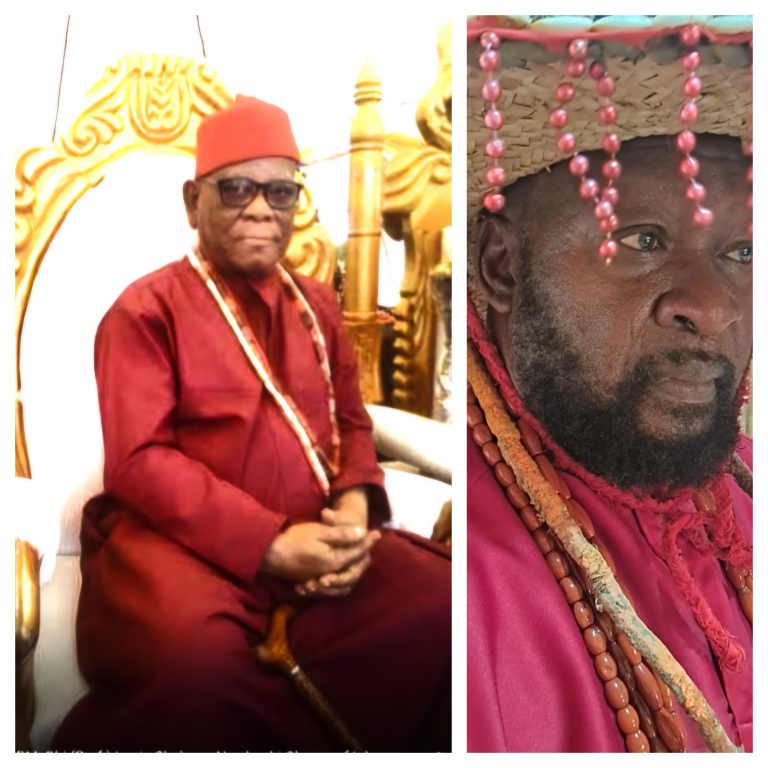
HRM, Obi (Prof.) Louis Chelunor Nwoboshi
Obuzor of Igbuzo

Tension is rising in Igbuzo, Oshimili North Local Government Area of Delta State, as residents raise fresh concerns over alleged encroachment on their ancestral lands by neighbouring communities of Asaba and Ogwashi-Uku.

The development has sparked renewed calls for urgent intervention by the town’s traditional leadership, with indigenes urging His Royal Majesty, Obi (Prof.) Chelunor Nwoboshi, the Obuzor of Igbuzo, to take decisive steps to protect the community’s territorial integrity and preserve its heritage. Many residents warn that failure to act promptly could threaten Igbuzo’s historical identity and standing within the state.

Community members have pointed to recent developments they describe as provocative, including reports of meetings allegedly held by neighbouring authorities on lands claimed by Igbuzo. Stakeholders say such actions raise serious concerns about respect for established boundaries and previous legal pronouncements on disputed areas.

Residents fear that continued inaction may embolden further encroachment, stressing that the defence of ancestral lands remains central to the community’s identity and future.
“This is not just about land; it is about our heritage, our identity, and our future as a people,” a concerned indigene said, calling for unity and firm leadership at this critical time.

Stakeholders have therefore urged the Obuzor and his council of Chiefs to convene an emergency meeting to deliberate on the matter and chart a clear course of action. They also emphasized the need to engage relevant government authorities to ensure due process and a peaceful resolution.

There have also been strong appeals for unity among Igbuzo sons and daughters, both at home and in the diaspora, to set aside differences and work collectively to defend their ancestral heritage.
Despite the rising tension, many residents continue to advocate for dialogue, mutual respect, and peaceful coexistence with neighbouring communities.

However, stakeholders are now calling on the Delta State Government to urgently intervene and address the situation, warning that prompt action is necessary to prevent further escalation and restore confidence among residents.

DCTDA Secures 17 Convictions in Renewed Sanitation Enforcement Drive

By : Ike Philip Abiagom
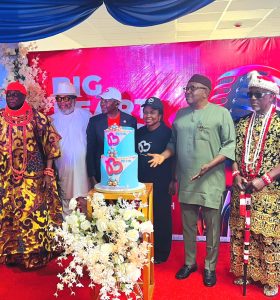
The Delta State Capital Territory Development Agency (DCTDA) has intensified its campaign against environmental violations, arraigning 18 individuals and corporate bodies before a competent court on Thursday, April 17, over various sanitation-related offences. The exercise led to the conviction of 17 offenders, while one defendant was discharged.

The operation, led by the Director General of the Agency, Patrick Ukah, reflects a strengthened resolve by authorities to enforce environmental laws and promote a cleaner, more orderly Capital Territory.

Those convicted include Otutu Resources on Nnebisi Road, sanctioned for operating in an unclean environment and encroaching on approved setbacks; Martins I.C., penalised for maintaining unsanitary premises and trading on restricted areas; Turner Bakery, found in breach of environmental compliance regulations; and the landlord/occupier of Silver House, held liable for discharging harmful wastewater into public drainage channels.

Speaking on the outcome, Ukah reaffirmed the Agency’s commitment to sustained enforcement, warning that the clampdown on violators would continue as part of broader efforts to eliminate environmental infractions.

He maintained that the Agency would not tolerate any breach of sanitation laws, emphasizing that defaulters—whether individuals or organisations—would be prosecuted in accordance with the law.

According to him, DCTDA remains focused on ensuring strict compliance with sanitation and urban development regulations, adding that disregard for environmental standards would no longer be condoned.

Ukah also urged residents, traders, and business operators to adopt proper environmental practices, stressing the need to keep their surroundings clean and adhere to laid-down regulations to avoid legal consequences.

Igbuzo at a Crossroads: Obi Ajudua Sounds Alarm for Unity Amid Rising Boundary Tensions

By: Ike Philip Abiagom

A strong call for unity has echoed across Igbuzo as community leader, Obi (Dr) Henry Chukwuma Ajudua, raises deep concerns over what he describes as growing threats to the town’s territorial integrity and collective identity. In a passionate appeal, Ajudua urged all sons and daughters of Igbuzo to set aside internal divisions and confront what he termed an “urgent external challenge” facing the community.

Igbuzo, historically revered for its strength and heritage—captured in the age-old expression “Isu-Fu-Ogu ju-nni”—now finds itself grappling with fears of encroachment and diminishing influence. According to Ajudua, neighboring towns such as Asaba and Ogwashi-Uku are allegedly taking advantage of disunity within Igbuzo to assert claims over lands long regarded as ancestral.

The situation reached a boiling point following reports circulating on social media, particularly Facebook, where a gathering involving prominent figures from Asaba—led by the Asagba of Asaba, Epiphany Azinge—reportedly made assertions that have sparked outrage in Igbuzo. Claims that the Nigeria Immigration Service Office, located within Igbuzo for decades, no longer falls within its territorial boundaries have been described by many as both shocking and provocative.

Even more contentious were statements suggesting that Asaba shares boundaries only with Ogwashi-Uku, effectively excluding Igbuzo from the geographical equation. For many in the community, this has been interpreted as an affront—an attempt to erase Igbuzo from the map of Oshimili North Local Government Area and, by extension, Delta State. What an insult?

“This is not just about land; it is about identity, history, and dignity,” Ajudua emphasized. If we remain divided, we risk losing far more than territory—we risk losing our voice.

In his call to action, Obi Ajudua appealed directly to the traditional and political leadership of Igbuzo, including His Royal Majesty, Chelunor Nwoboshi, the Obuzor of Igbuzo as well as revered titleholders such as the Iyase, Uwolo, Ikwele, and other custodians of tradition. He also called on the Chairman of Oshimili North Local Government, Innocent Esewezie, to play a proactive role in safeguarding the community’s interests.

Beyond local leadership, the appeal extends to Igbuzo indigenes in the diaspora, urging them to rally support, raise awareness, and contribute to a united front capable of addressing the unfolding situation.

Observers note that while boundary disputes are not uncommon in the region, they are often exacerbated by internal disunity and lack of coordinated response. Ajudua’s message, therefore, is as much a warning as it is a rallying cry.

“Enough is enough,” he declared. “This is the time for Igbuzo to stand as one people. United, we are strong; divided, we are vulnerable.”
As tensions simmer, many now look to the town’s leadership and its people to determine whether this moment will mark a turning point toward unity—or further deepen existing fractures.