

By: Ike Philip Abiagom
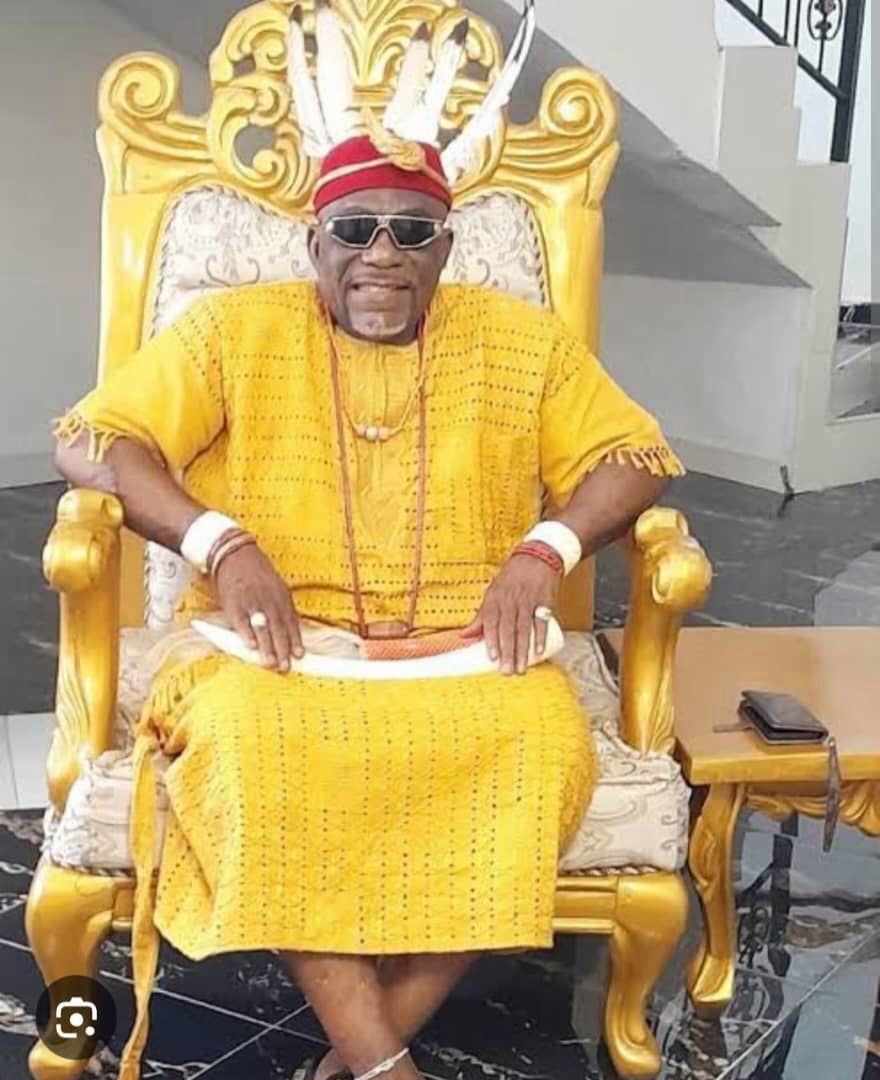
A strong call for unity has echoed across Igbuzo as community leader, Obi (Dr) Henry Chukwuma Ajudua, raises deep concerns over what he describes as growing threats to the town’s territorial integrity and collective identity. In a passionate appeal, Ajudua urged all sons and daughters of Igbuzo to set aside internal divisions and confront what he termed an “urgent external challenge” facing the community.
Igbuzo, historically revered for its strength and heritage—captured in the age-old expression “Isu-Fu-Ogu ju-nni”—now finds itself grappling with fears of encroachment and diminishing influence. According to Ajudua, neighboring towns such as Asaba and Ogwashi-Uku are allegedly taking advantage of disunity within Igbuzo to assert claims over lands long regarded as ancestral.
The situation reached a boiling point following reports circulating on social media, particularly Facebook, where a gathering involving prominent figures from Asaba—led by the Asagba of Asaba, Epiphany Azinge—reportedly made assertions that have sparked outrage in Igbuzo. Claims that the Nigeria Immigration Service Office, located within Igbuzo for decades, no longer falls within its territorial boundaries have been described by many as both shocking and provocative.
Even more contentious were statements suggesting that Asaba shares boundaries only with Ogwashi-Uku, effectively excluding Igbuzo from the geographical equation. For many in the community, this has been interpreted as an affront—an attempt to erase Igbuzo from the map of Oshimili North Local Government Area and, by extension, Delta State. What an insult?
“This is not just about land; it is about identity, history, and dignity,” Ajudua emphasized. If we remain divided, we risk losing far more than territory—we risk losing our voice.
In his call to action, Obi Ajudua appealed directly to the traditional and political leadership of Igbuzo, including His Royal Majesty, Chelunor Nwoboshi, the Obuzor of Igbuzo as well as revered titleholders such as the Iyase, Uwolo, Ikwele, and other custodians of tradition. He also called on the Chairman of Oshimili North Local Government, Innocent Esewezie, to play a proactive role in safeguarding the community’s interests.
Beyond local leadership, the appeal extends to Igbuzo indigenes in the diaspora, urging them to rally support, raise awareness, and contribute to a united front capable of addressing the unfolding situation.
Observers note that while boundary disputes are not uncommon in the region, they are often exacerbated by internal disunity and lack of coordinated response. Ajudua’s message, therefore, is as much a warning as it is a rallying cry.
“Enough is enough,” he declared. “This is the time for Igbuzo to stand as one people. United, we are strong; divided, we are vulnerable.”
As tensions simmer, many now look to the town’s leadership and its people to determine whether this moment will mark a turning point toward unity—or further deepen existing fractures.