

By: Ike Philip Abiagom
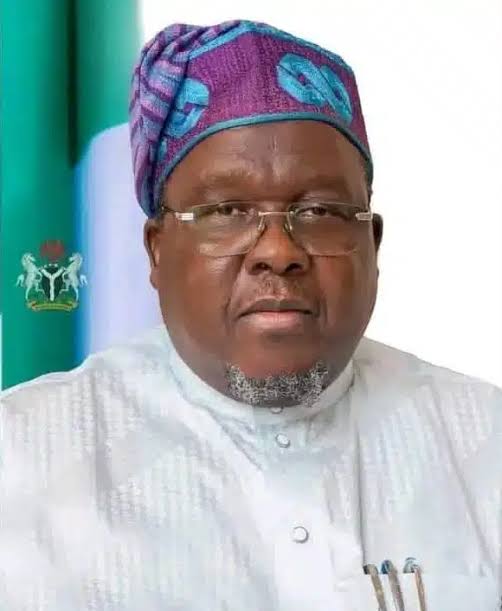
In a nation as diverse and complex as Nigeria, national unity is often sustained not merely through political rhetoric, but through deliberate engagement, consensus-building, and the cultivation of relationships across regional divides. The growing prominence of Ibrahim Kabir Masari within the administration of President Bola Ahmed Tinubu reflects the enduring importance of regional inclusion and political bridge-building in strengthening Nigeria’s democratic foundations.
As Nigeria navigates economic reforms, security challenges, and evolving political dynamics, the North-West region remains a critical pillar of national cohesion. With its vast population, strategic electoral significance, and immense economic potential, the region continues to play a central role in shaping national discourse and governance outcomes.
Within this context, Ibrahim Kabir Masari has emerged as one of the key figures facilitating engagement between the Federal Government and stakeholders across the North-West.
A native of Katsina State, Masari has built a reputation as a seasoned political strategist and grassroots mobilizer. His political journey within the All Progressives Congress (APC) spans several years, including his service as the party’s National Welfare Secretary under the leadership of former National Chairman, . His experience in party administration provided him with extensive knowledge of stakeholder management, grassroots politics, and inter-regional coordination.
His appointment as Senior Special Assistant on Political Affairs in 2023 and subsequent elevation to Special Adviser on Political Affairs underscore the confidence reposed in his ability to manage complex political relationships and foster stronger connections between the presidency and diverse constituencies across the country.
Political observers note that governance in a multicultural society such as Nigeria requires more than policy formulation; it demands effective communication and engagement with communities. Political advisers often serve as critical links between government institutions and the people, helping to translate policy objectives into messages that resonate with local realities and aspirations.
The importance of such roles cannot be overstated. Political scholars have long argued that strong institutions are sustained by individuals capable of fostering dialogue, managing differences, and building consensus among competing interests. In this regard, political bridge-builders contribute significantly to democratic stability and national development.
Beyond its electoral relevance, the North-West remains one of Nigeria’s most important economic regions. It serves as a major hub for agriculture, commerce, and inter-regional trade. At the same time, the region has been at the centre of national conversations on security, rural development, education, and economic inclusion.
Challenges such as banditry, rural poverty, youth unemployment, and insecurity have implications that extend far beyond the region, affecting food security, investor confidence, and internal migration across the country. Addressing these issues requires sustained collaboration among federal and state governments, traditional institutions, community leaders, and civil society organizations.
Masari’s political trajectory places him at the heart of such engagement efforts. Over the years, he has developed extensive networks across the North-West, maintaining relationships with political leaders, community stakeholders, and grassroots actors whose cooperation is often essential to policy implementation and public acceptance.
Within APC circles, he is widely regarded as an effective organizer and mobilizer with significant influence across northern Nigeria. This reputation has contributed to his growing responsibilities within the Tinubu administration.
Analysts argue that national unity is strengthened when citizens feel heard and represented in governance processes. Administrators and political coordinators who possess regional credibility often play a crucial role in fostering trust, addressing concerns, and ensuring that government initiatives are understood and embraced at the grassroots level.
Nigeria’s democratic experience has repeatedly demonstrated that inclusion promotes stability, while exclusion often breeds tension and mistrust. As the country continues its journey toward sustainable development and democratic consolidation, the need for dialogue across ethnic, religious, and regional lines remains more important than ever.
Against this backdrop, Ibrahim Kabir Masari’s rise from party administrator to Special Adviser on Political Affairs illustrates the enduring relevance of political organization, stakeholder engagement, and consensus-building in contemporary governance.
His career reflects a broader lesson in nation-building: unity is not achieved through declarations alone. Rather, it is nurtured through relationships, consultation, and the patient work of connecting diverse communities to a shared national vision.
In that sense, the contribution of the North-West to Nigeria’s development extends far beyond electoral statistics. It remains an integral part of the ongoing project of national integration, democratic stability, and collective progress.