Home Blog Page 7

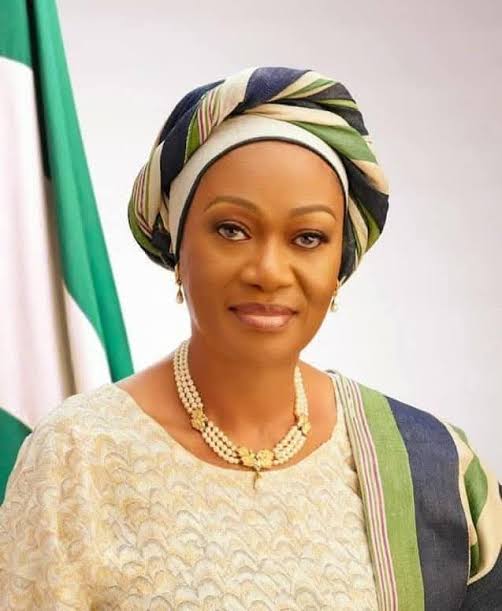
Women Can Lead, Build Careers and Raise Families Successfully — Dr. Mary Alile Idele

By: Ike Philip Abiagom 

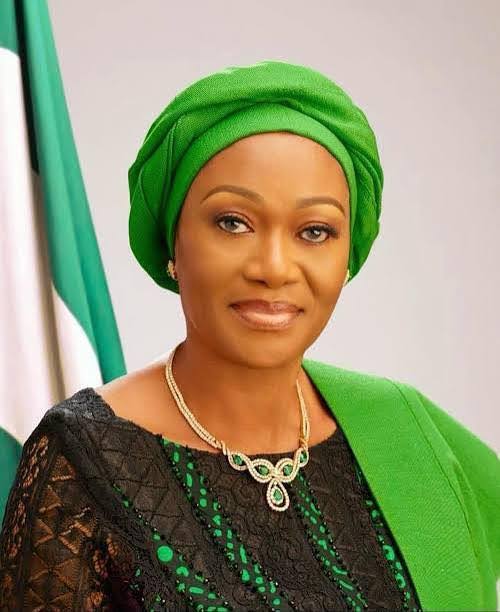
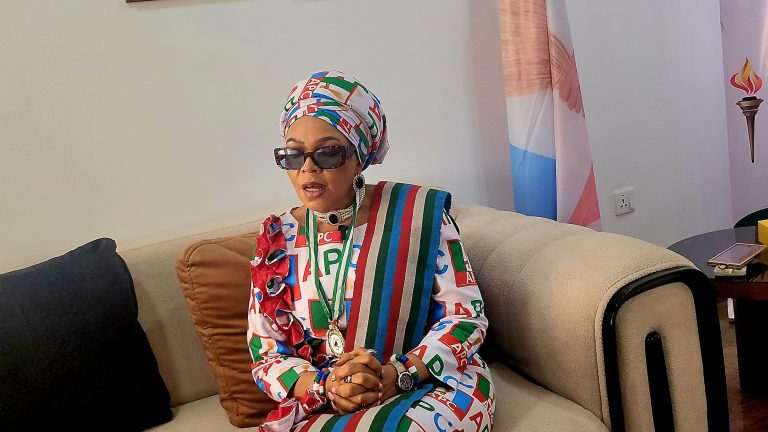
In Nigeria’s dynamic political landscape, where grassroots mobilization, women’s inclusion, and effective leadership remain critical to democratic growth, Dr. Mary Alile Idele has emerged as one of the most influential female political figures in the country. As the National Women Leader of the All Progressives Congress (APC) and Convener of the Tinubu Torch Bearers (TTB), she has distinguished herself through her unwavering commitment to women’s empowerment, grassroots engagement, and the advancement of the Renewed Hope Agenda of President Bola Ahmed Tinubu.

Widely regarded as a visionary leader and strategic mobilizer, Dr. Alile has championed initiatives aimed at strengthening women’s participation in politics, expanding opportunities for youths, and ensuring that the benefits of governance reach ordinary Nigerians at the grassroots. Through the Tinubu Torch Bearers, a movement she conceived and nurtured, thousands of women, youths, and vulnerable persons across the country have been mobilized and empowered in support of national development and inclusive governance.

Under her leadership, the APC Women’s Wing has witnessed renewed vigor, while TTB has grown into a formidable grassroots platform with structures spanning the 36 states and the Federal Capital Territory. Her dedication to service, compassion for the less privileged, and commitment to party unity have earned her admiration across political and social divides.

In this exclusive interview with the Grassroots Newspaper Publishers Network (GNPN) following the commissioning of the Tinubu Torch Bearers National Secretariat in Abuja, Dr. Mary Alile Idele speaks on the vision behind TTB, the achievements of President Tinubu’s administration, women’s role in nation-building, grassroots empowerment, and the future of the Renewed Hope Agenda. She also shares her thoughts on party cohesion, leadership, and the collective responsibility of Nigerians in building a stronger and more prosperous nation.

Excerpts:

Q: Can you introduce yourself and your leadership role within the APC?

Dr. Idele: My name is Mrs. Mary Alile Idele, Ph.D ,the APC National Women Leader and Convener of the Tinubu Torch Bearers (TTB).

Q: As the Convener of the Tinubu Torch Bearers (TTB), what inspired you to establish this grassroots movement?

Dr. Idele: Tinubu Torch Bearers was born out of a desire to take the Renewed Hope Agenda directly to the grassroots and ensure that ordinary Nigerians, especially women, youths, and vulnerable groups, are not left behind. We realized that for government policies and programmes to have meaningful impact, people at the grassroots must not only be aware of them but must also feel included in the process.

The inspiration came from the need to create a platform that would bridge the gap between leadership and the people. We wanted a movement that would mobilize, educate, empower, and encourage active participation in governance while promoting the vision of President Bola Ahmed Tinubu across the country.

TTB is more than a political support group; it is a vehicle for empowerment, inclusion, and nation-building. Our goal is to ensure that the message of Renewed Hope reaches every ward, every local government, and every community in Nigeria while also providing opportunities for women and youths to contribute meaningfully to national development.

Q: What is your vision for Nigerian women?

Dr. Idele: It is important for every woman, from the grassroots to the national level, to feel included in this movement. We already have our National Coordinator, Dr. Ngozi Olejeme, and other coordinators at various levels, including unit coordinators, and we want them all to feel part of the Renewed Hope Agenda.

We want them to feel connected to what is happening in Abuja, not just watch us on television or see us moving around. They need to understand how these developments impact their lives.
As our First Lady handed over the torch to me, I will in turn hand it over to the National Convener and the 36 state coordinators, who will pass it on to local government coordinators and subsequently to coordinators at the grassroots level. It is a movement that has already begun.

From this national secretariat, commissioned today by the First Lady, Senator Oluremi Tinubu, CON, which serves as our hub, we intend to establish an APC Women’s Situation Room. It has never been done before, but we will make it happen.
Through this platform, we will monitor activities across the country and ensure that women remain actively involved.

Q: What is your advice to Nigerian women?

Dr. Idele: My advice to Nigerian women is simple: keep pushing and keep moving. A Nigerian woman is strong. She is a woman of faith, a woman who believes, and a woman who knows that anything is possible.
If there is a goal you want to achieve, write it down, look at it every day, and believe in yourself. Gone are the days when people said women were not good enough or strong enough. Today, women are breaking barriers and achieving remarkable success.
Find role models. Look at women who started with very little but went on to accomplish great things. Learn from them and draw inspiration from their journeys. If they succeeded, then you can succeed too.
I grew up listening to Jimmy Cliff’s song, You Can Get It If You Really Want. One line that always stayed with me says: “You can get it if you really want, but you must try, try and try again.” That message inspired me whenever I faced challenges. If you keep trying, one day you will succeed.

Q: What is the importance of positive influence?

Dr. Idele: The people around us play a significant role in shaping our mindset and success. I do not want women to ever feel they are not enough or that they cannot achieve their dreams. If I can do it, anyone can do it. The key is to find your strength and surround yourself with people who think positively.

If you show me a glass half-filled with water, I will tell you it is half full, not half empty. That is because I focus on possibilities rather than limitations. Women must learn to believe in themselves and surround themselves with people who believe in their vision.
Stay away from people who constantly tell you that you are not good enough or that your dreams are impossible. Instead, stay close to those who encourage and uplift you.

Q: How are we breaking the myths about women in leadership?

Dr. Idele: Many misconceptions have been created about women in politics and leadership positions.
For years, there has been a myth that women in politics cannot maintain successful homes or marriages. That is simply not true. You can be married, raise your children, build a successful career, and still contribute meaningfully to public service.
I am married, I have children, and I also have a Ph.D. Women can successfully balance family life, career growth, and leadership responsibilities.

Q: How important is family support to a woman’s success?

Dr. Idele: Family support makes a lot of difference. Earning my Ph.D was not easy. One day, I simply decided that I wanted to pursue it because it had always been one of my passions. When I discussed it with my husband, he encouraged me and supported my decision.

The sacrifices made by my family, my husband, and my children made it possible for me to achieve that goal. Without their support, it would have been much more difficult.

There were days when I came home exhausted after studying for long hours. My husband would simply say, “Let’s order pizza tonight.” It may sound like a small gesture, but that is what support looks like. It means people around you understand your journey and are willing to help you succeed.

Q: What is your message to the next generation of women?

Dr. Idele: I want Nigerian women, especially younger women, not to allow cultural stereotypes or gender biases to limit their ambitions.

We must pay attention to the people around us. Do not allow anyone to tell you that you are not enough, that you cannot do it, or that your gender should limit your aspirations.
Those days are gone. You can be anything you want to be. You can achieve anything you set your mind to. Believe in yourself, surround yourself with people who share your vision and support your dreams, and keep pushing forward.
That is my message to Nigerian women.

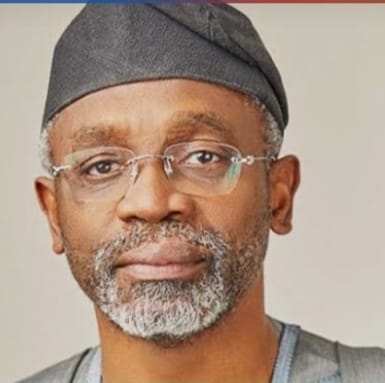
Femi Gbajabiamila: The Silent Engine of Presidential Governance

By : Ike Philip Abiagom

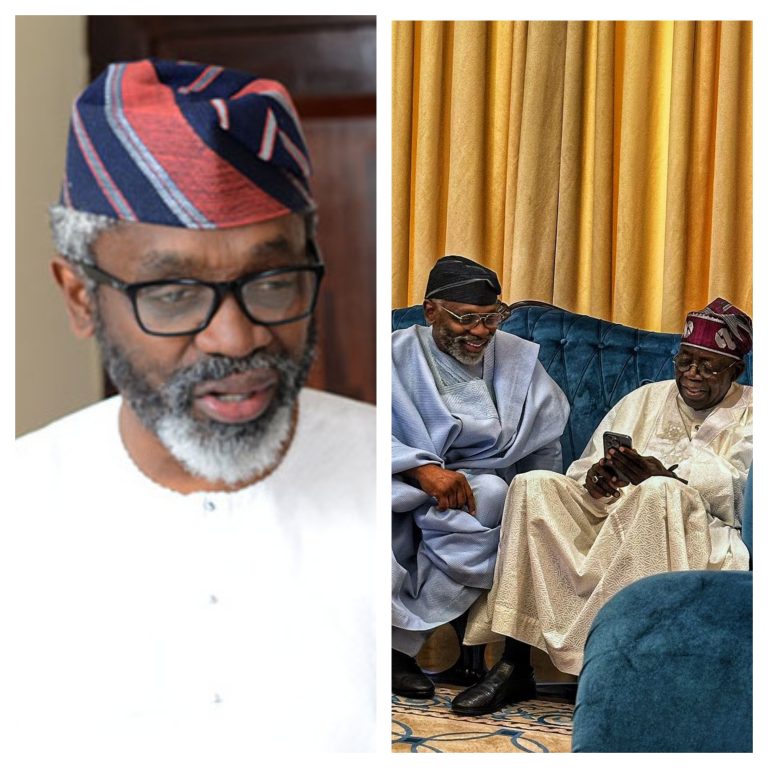
In every generation, a few public servants distinguish themselves not merely by the positions they hold, but by the discipline, preparation, and vision that enable them to shoulder greater responsibilities when history calls. Among such figures in contemporary Nigeria stands , a statesman whose journey to the centre of national leadership has been defined by years of dedication to law, democratic governance, and public service.

Today, as Chief of Staff to President , Gbajabiamila occupies one of the most strategic offices in the country. Although the position largely operates behind the scenes, its influence on governance is immense. The Chief of Staff serves as the bridge between presidential vision and administrative execution, coordinating government activities, facilitating policy implementation, and ensuring that the machinery of government runs effectively.

Yet, the story of Gbajabiamila’s rise cannot be fully understood by examining only his current role. Rather, it is a story of steady preparation, professional excellence, and a commitment to public service that spans decades.

Before politics, Gbajabiamila built a solid foundation in the legal profession. His years of legal practice exposed him to the rigours of advocacy, negotiation, strategic thinking, and the meticulous interpretation of the law. These experiences sharpened his analytical abilities and cultivated the discipline that would later become hallmarks of his political career.

Law, after all, is not merely about statutes and courtroom arguments; it is about understanding people, resolving conflicts, and building consensus. These skills would later prove invaluable in the legislative arena, where persuasion, diplomacy, and constitutional fidelity remain essential tools of effective leadership.

Upon returning to Nigeria after acquiring international legal experience, Gbajabiamila arrived at a critical period in the nation’s democratic evolution. The restoration of civilian rule in 1999 opened a new chapter in Nigeria’s history and created opportunities for a new generation of leaders determined to strengthen democratic institutions and deepen representative governance.

Like many professionals of his generation, he could have remained comfortably within private practice.
Instead, he chose public service, convinced that national development required the active participation of capable individuals willing to contribute to the democratic process.
For him, the legislature represented a powerful institution through which meaningful change could be pursued.

That decision would alter the course of his life and eventually shape his place in Nigeria’s political history.

In 2003, Gbajabiamila was elected to represent Surulere I Federal Constituency of Lagos State in the House of Representatives. His election came at a crucial time when the National Assembly was still consolidating its role within Nigeria’s young democratic order.

The legislature was emerging from decades of military rule and was gradually asserting its constitutional responsibilities. Lawmakers were tasked with strengthening oversight functions, improving legislative processes, and defining a productive relationship between the executive and legislative branches of government. For young parliamentarians entering the House, the challenge was immense.

Gbajabiamila quickly distinguished himself as one of the Assembly’s most diligent and intellectually engaging members. His mastery of legislative procedure, attention to detail, and commitment to parliamentary excellence earned him respect among colleagues. Whether participating in committee assignments or contributing to debates on the floor of the House, he developed a reputation as a thoughtful legislator driven by substance rather than spectacle.

His legal training provided a strong foundation for legislative work, enabling him to engage constructively with proposed laws and national policy issues. More importantly, his measured approach to politics helped him cultivate relationships across party lines, a quality that would later become central to his leadership style.

Beyond Abuja, he remained deeply connected to the people who entrusted him with representation. In Surulere, his responsibilities extended beyond lawmaking. Constituency engagement, educational support programmes, youth empowerment initiatives, and advocacy for community development became important aspects of his service.

This ability to balance national legislative duties with grassroots engagement distinguished him from many of his contemporaries and reinforced his reputation as a representative who understood both policy and people.

As Nigeria’s democracy matured, so too did Gbajabiamila’s influence within the House of Representatives. His capacity to analyse complex policy issues, negotiate competing interests, and build consensus increasingly positioned him for higher responsibilities.

Observers began to see in him not merely a constituency representative, but a parliamentarian committed to strengthening the institutional integrity of the National Assembly itself. His contributions reflected a broader vision of democratic governance rooted in accountability, cooperation, and effective leadership.

Those who worked closely with him frequently cited his calm disposition, disciplined work ethic, and preference for consultation over confrontation. In an environment often characterised by competing interests and political tensions, these qualities enabled him to navigate challenges with patience and pragmatism.

His rise through the ranks of the House was therefore no accident. It was the product of years of preparation, consistency, and a willingness to embrace the demanding responsibilities that effective legislative leadership requires.

As his influence continued to grow, Gbajabiamila would eventually assume more prominent leadership roles, helping to shape parliamentary debates, legislative priorities, and national policy discussions. Those experiences would ultimately propel him to the pinnacle of legislative leadership as Speaker of the House of Representatives, preparing him for even greater responsibilities in service to the nation.

Senator Remi Tinubu’s Record Speaks Louder Than the Akara Controversy

By : Ike Philip Abiagom

In recent days, public discourse has been dominated by reactions to First Lady Senator Oluremi Tinubu’s remarks encouraging women to embrace small-scale entrepreneurial ventures such as frying akara, roasting corn, and selling roasted plantain.
What was intended as a message of economic empowerment quickly became the subject of criticism, political attacks, and social media ridicule.

Yet, amid the noise surrounding the so-called “Akara Controversy,” an important question remains: Does one statement outweigh decades of public service and a proven record of empowering Nigerians?
For Senator Oluremi Tinubu, the answer lies in her track record.

Long before becoming Nigeria’s First Lady, she established herself as one of the country’s most accomplished female politicians, serving three consecutive terms in the Senate and championing legislation and programmes that positively impacted women, youths, and vulnerable citizens.
Throughout her years in public service, Senator Tinubu has consistently advocated for education, healthcare, women’s empowerment, and poverty reduction.
Her commitment to these causes did not begin with her current role as First Lady; it has been the defining feature of her public life.

Under the Renewed Hope Initiative, she has expanded opportunities for thousands of Nigerians through targeted intervention programmes. Women traders have received grants to strengthen their businesses.

Students have benefited from scholarships and educational support. Vulnerable groups, including persons living with disabilities and the elderly, have received assistance aimed at improving their quality of life.

Her initiatives have also extended into healthcare, where support has been provided for campaigns against tuberculosis, breast cancer, malnutrition, and other public health challenges. Through partnerships and advocacy programmes, she has continued to draw attention to issues affecting the nation’s most vulnerable populations.

In the area of digital inclusion, programmes designed to equip women and young people with technological skills have opened doors to opportunities in the modern economy.

These efforts reflect a broader vision of empowerment that goes beyond temporary assistance and seeks to create sustainable pathways to economic independence.

Unfortunately, in Nigeria’s highly polarized political environment, achievements are sometimes overlooked while isolated comments become magnified. Political opponents and critics often focus on a single phrase without considering the context or the larger body of work behind it.

The First Lady’s remarks about small businesses should be viewed within the broader philosophy of entrepreneurship and self-reliance that has empowered millions across the world. Many successful businesses started as modest ventures before growing into major enterprises.
There is dignity in honest labour, regardless of how humble the beginning may be.

Constructive criticism is a healthy part of democracy, but fairness demands that public figures be judged not only by individual statements but also by their contributions and accomplishments.

As Nigerians continue to debate the issue, it is worth remembering that Senator Oluremi Tinubu’s public service record spans decades of advocacy, empowerment, and humanitarian interventions. Those achievements have touched lives in communities across the country and continue to make a difference.

The “Akara Controversy” may dominate headlines today, but headlines fade. Impact endures.

In the final analysis, Senator Oluremi Tinubu’s record of service, empowerment, and commitment to national development speaks far louder than any controversy.

Women Can Lead, Build Careers and Raise Families Successfully — APC National Women Leader

By: Ike Philip Abiagom 

In Nigeria’s dynamic political landscape, where grassroots mobilization, women’s inclusion, and effective leadership remain critical to democratic growth, Dr. Mary Alile Idele has emerged as one of the most influential female political figures in the country. As the National Women Leader of the All Progressives Congress (APC) and Convener of the Tinubu Torch Bearers (TTB), she has distinguished herself through her unwavering commitment to women’s empowerment, grassroots engagement, and the advancement of the Renewed Hope Agenda of President Bola Ahmed Tinubu.

Widely regarded as a visionary leader and strategic mobilizer, Dr. Alile has championed initiatives aimed at strengthening women’s participation in politics, expanding opportunities for youths, and ensuring that the benefits of governance reach ordinary Nigerians at the grassroots. Through the Tinubu Torch Bearers, a movement she conceived and nurtured, thousands of women, youths, and vulnerable persons across the country have been mobilized and empowered in support of national development and inclusive governance.

Under her leadership, the APC Women’s Wing has witnessed renewed vigor, while TTB has grown into a formidable grassroots platform with structures spanning the 36 states and the Federal Capital Territory. Her dedication to service, compassion for the less privileged, and commitment to party unity have earned her admiration across political and social divides.

In this exclusive interview with the Grassroots Newspaper Publishers Network (GNPN) following the commissioning of the Tinubu Torch Bearers National Secretariat in Abuja, Dr. Mary Alile Idele speaks on the vision behind TTB, the achievements of President Tinubu’s administration, women’s role in nation-building, grassroots empowerment, and the future of the Renewed Hope Agenda. She also shares her thoughts on party cohesion, leadership, and the collective responsibility of Nigerians in building a stronger and more prosperous nation.

Excerpts:

Q: Can you introduce yourself and your leadership role within the APC?

Dr. Idele: My name is Mrs. Mary Alile Idele, Ph.D ,the APC National Women Leader and Convener of the Tinubu Torch Bearers (TTB).

Q: As the Convener of the Tinubu Torch Bearers (TTB), what inspired you to establish this grassroots movement?

Dr. Idele: Tinubu Torch Bearers was born out of a desire to take the Renewed Hope Agenda directly to the grassroots and ensure that ordinary Nigerians, especially women, youths, and vulnerable groups, are not left behind. We realized that for government policies and programmes to have meaningful impact, people at the grassroots must not only be aware of them but must also feel included in the process.

The inspiration came from the need to create a platform that would bridge the gap between leadership and the people. We wanted a movement that would mobilize, educate, empower, and encourage active participation in governance while promoting the vision of President Bola Ahmed Tinubu across the country.

TTB is more than a political support group; it is a vehicle for empowerment, inclusion, and nation-building. Our goal is to ensure that the message of Renewed Hope reaches every ward, every local government, and every community in Nigeria while also providing opportunities for women and youths to contribute meaningfully to national development.

Q: What is your vision for Nigerian women?

Dr. Idele: It is important for every woman, from the grassroots to the national level, to feel included in this movement. We already have our National Coordinator, Dr. Ngozi Olejeme, and other coordinators at various levels, including unit coordinators, and we want them all to feel part of the Renewed Hope Agenda.

We want them to feel connected to what is happening in Abuja, not just watch us on television or see us moving around. They need to understand how these developments impact their lives.
As our First Lady handed over the torch to me, I will in turn hand it over to the National Convener and the 36 state coordinators, who will pass it on to local government coordinators and subsequently to coordinators at the grassroots level. It is a movement that has already begun.

From this national secretariat, commissioned today by the First Lady, Senator Oluremi Tinubu, CON, which serves as our hub, we intend to establish an APC Women’s Situation Room. It has never been done before, but we will make it happen.
Through this platform, we will monitor activities across the country and ensure that women remain actively involved.

Q: What is your advice to Nigerian women?

Dr. Idele: My advice to Nigerian women is simple: keep pushing and keep moving. A Nigerian woman is strong. She is a woman of faith, a woman who believes, and a woman who knows that anything is possible.
If there is a goal you want to achieve, write it down, look at it every day, and believe in yourself. Gone are the days when people said women were not good enough or strong enough. Today, women are breaking barriers and achieving remarkable success.
Find role models. Look at women who started with very little but went on to accomplish great things. Learn from them and draw inspiration from their journeys. If they succeeded, then you can succeed too.
I grew up listening to Jimmy Cliff’s song, You Can Get It If You Really Want. One line that always stayed with me says: “You can get it if you really want, but you must try, try and try again.” That message inspired me whenever I faced challenges. If you keep trying, one day you will succeed.

Q: What is the importance of positive influence?

Dr. Idele: The people around us play a significant role in shaping our mindset and success. I do not want women to ever feel they are not enough or that they cannot achieve their dreams. If I can do it, anyone can do it. The key is to find your strength and surround yourself with people who think positively.

If you show me a glass half-filled with water, I will tell you it is half full, not half empty. That is because I focus on possibilities rather than limitations. Women must learn to believe in themselves and surround themselves with people who believe in their vision.
Stay away from people who constantly tell you that you are not good enough or that your dreams are impossible. Instead, stay close to those who encourage and uplift you.

Q: How are we breaking the myths about women in leadership?

Dr. Idele: Many misconceptions have been created about women in politics and leadership positions.
For years, there has been a myth that women in politics cannot maintain successful homes or marriages. That is simply not true. You can be married, raise your children, build a successful career, and still contribute meaningfully to public service.
I am married, I have children, and I also have a Ph.D. Women can successfully balance family life, career growth, and leadership responsibilities.

Q: How important is family support to a woman’s success?

Dr. Idele: Family support makes a lot of difference. Earning my Ph.D was not easy. One day, I simply decided that I wanted to pursue it because it had always been one of my passions. When I discussed it with my husband, he encouraged me and supported my decision.

The sacrifices made by my family, my husband, and my children made it possible for me to achieve that goal. Without their support, it would have been much more difficult.

There were days when I came home exhausted after studying for long hours. My husband would simply say, “Let’s order pizza tonight.” It may sound like a small gesture, but that is what support looks like. It means people around you understand your journey and are willing to help you succeed.

Q: What is your message to the next generation of women?

Dr. Idele: I want Nigerian women, especially younger women, not to allow cultural stereotypes or gender biases to limit their ambitions.

We must pay attention to the people around us. Do not allow anyone to tell you that you are not enough, that you cannot do it, or that your gender should limit your aspirations.
Those days are gone. You can be anything you want to be. You can achieve anything you set your mind to. Believe in yourself, surround yourself with people who share your vision and support your dreams, and keep pushing forward.
That is my message to Nigerian women.

Small Businesses, Big Dreams: The Real Message Behind Senator Remi Tinubu’s Remarks

By: Ike Philip Abiagom
When Nigeria’s First Lady, Senator Oluremi Tinubu, encouraged vulnerable women to consider small-scale businesses such as frying akara, roasting corn, and selling roasted plantain, her remarks quickly became the subject of intense public debate.
Social media platforms were flooded with criticism, jokes, and political commentary, with many Nigerians interpreting the statement as evidence that the country’s leadership was out of touch with the economic realities confronting ordinary citizens.

While these reactions reflected genuine concerns about rising living costs and economic hardship, they may have overlooked the broader message behind the First Lady’s remarks.

The comments were made during the Renewed Hope Initiative empowerment programme, where grants—not loans—were distributed to vulnerable women to support income-generating ventures. The emphasis was not merely on akara or roadside trading; it was about creating opportunities, promoting self-reliance, and helping women build sustainable livelihoods.

Across Nigeria, thousands of women depend on micro-businesses for survival. Every morning, they leave their homes before sunrise to prepare food, arrange goods, and head to markets, schools, motor parks, and busy streets. Some fry akara, others roast corn, sell fruits, vegetables, cooked meals, pap, kuli-kuli, or other affordable products that meet daily consumer needs.

These women are not waiting for opportunities to arrive. They are creating them.

Though often overlooked, such businesses pay school fees, cover medical expenses, provide food for families, and contribute significantly to household income. In many cases, they are the difference between financial stability and poverty.

Yet this reality was largely absent from the public conversation that followed the First Lady’s comments.

The debate focused almost entirely on the word “akara,” while overlooking the countless women who have built successful enterprises from modest beginnings. Their stories rarely trend online, but they represent the resilience and entrepreneurial spirit that sustain many communities across Nigeria.

There are numerous examples of women who started with little more than a cooking pot, a stove, and a small amount of capital. Over time, some expanded into restaurants, catering services, and wholesale food supply businesses. Others trained apprentices who later established businesses of their own.

These stories demonstrate a simple truth: successful entrepreneurship often begins with humble steps.

Nigeria’s informal economy remains one of the largest in Africa, employing millions of people through petty trading, agriculture, transportation, tailoring, hairdressing, welding, carpentry, and other small enterprises. Collectively, these activities play a vital role in economic growth and poverty reduction.

Women occupy a central place within this ecosystem. Despite inflation, rising transportation costs, and increasing prices of raw materials, they continue to adapt and serve their communities through determination and hard work.

This does not mean the country’s economic challenges should be ignored. Inflation continues to affect households and businesses alike, increasing the cost of food, cooking gas, transportation, and essential commodities.

However, acknowledging these realities should not prevent Nigerians from recognizing practical interventions where they exist.

One notable aspect of the Renewed Hope Initiative is its provision of grants rather than loans. For women with limited access to finance, grants remove the burden of repayment and provide an opportunity to invest directly in income-generating ventures.

Economic empowerment rarely occurs through a single dramatic intervention. More often, it is a gradual process. A woman starts a small food business, builds a customer base, saves part of her earnings, acquires better equipment, employs additional hands, and eventually expands her operations.

Nigeria has countless examples of such success stories.

At the same time, many Nigerians rightly argue that government must continue creating quality jobs in sectors such as manufacturing, technology, healthcare, agriculture, and education. This remains a critical responsibility.

Yet supporting micro-enterprises and pursuing large-scale economic reforms are not mutually exclusive objectives.

A comprehensive development strategy should accommodate both approaches. While governments invest in infrastructure and long-term economic growth, they should also provide immediate opportunities for vulnerable citizens to improve their livelihoods.

For many women, particularly widows and mothers, flexible businesses such as food vending offer a practical means of earning income while caring for their families. Dismissing these occupations ignores the dignity of labour and the sacrifices made by millions of hardworking Nigerians.

Beyond this debate, Senator Oluremi Tinubu has continued to champion programmes focused on women, children, healthcare, education, nutrition, agriculture, and social welfare through the Renewed Hope Initiative. Whether or not one agrees with every government policy, programmes that provide practical support for vulnerable citizens deserve objective evaluation.

Public discourse is strongest when it accommodates both criticism and constructive engagement. Nigerians have every right to demand better governance and improved living conditions. At the same time, it is important to acknowledge initiatives that promote entrepreneurship, productivity, and self-reliance.

Ultimately, the controversy surrounding the First Lady’s comments offers an important lesson: perspective matters.

For a woman struggling to feed her family, a grant to start a small business may represent hope. For a mother determined to keep her children in school, frying akara may be the first step toward financial independence. For another entrepreneur, today’s roadside stall could become tomorrow’s thriving enterprise.

The conversation, therefore, should move beyond ridicule and focus on how government, private sector stakeholders, financial institutions, and community organisations can collaborate to support more women through grants, affordable credit, business training, improved infrastructure, and access to markets.

The First Lady’s message was fundamentally about hope backed by practical action.

Hope alone may not transform lives, but hope supported by opportunity, determination, and hard work often can.

If more vulnerable women are empowered to start small today, many could become successful entrepreneurs tomorrow. That is why the national conversation should move beyond akara itself and focus on the larger goal of building a society where opportunity, resilience, and enterprise can flourish.

After all, some of the greatest transformations begin with the smallest first step.

The Remarkable Journey of Gbajabiamila : A Life of Service and Leadership

By: Ike Philip Abiagom 

In the annals of Nigeria’s democratic evolution, few political figures have left as enduring a mark on the nation’s legislative landscape as . A lawyer, legislator, reformer, and administrator, Gbajabiamila’s remarkable journey reflects a lifetime dedicated to public service, democratic governance, and nation-building.
Born on June 25, 1962, Olufemi Hakeem Gbajabiamila grew up with a passion for excellence and leadership. His educational journey began at Igbobi College, Lagos, where he distinguished himself as a brilliant student. He later attended King William’s College on the Isle of Man in the United Kingdom before proceeding to the University of Lagos, where he earned a Bachelor of Laws degree with honours in 1983.
Called to the Nigerian Bar in 1984, he quickly established himself as an outstanding legal practitioner. His career commenced at Bentley, Edu and Co., one of Nigeria’s respected law firms, where he built a reputation for diligence, professionalism, and legal excellence. He subsequently founded Femi Gbaja & Co., laying the foundation for a successful legal career.

Determined to expand his professional horizons, Gbajabiamila enrolled at John Marshall Law School in Atlanta, Georgia, United States, where he graduated Magna Cum Laude with a Juris Doctor degree. After passing the Georgia Bar Examination, he established a thriving legal practice in the United States before returning to Nigeria to contribute to the nation’s democratic development.

Upon his return home, Gbajabiamila answered the call to public service. Running on the platform of the Alliance for Democracy (AD), he sought to represent the people of Surulere I Federal Constituency in Lagos State.

His election to the House of Representatives in 2003 marked the beginning of an extraordinary legislative career that would span more than two decades. From the outset, he distinguished himself as an articulate lawmaker who consistently championed the interests of his constituents while advocating policies aimed at strengthening Nigeria’s democracy.

His legislative brilliance quickly earned national recognition. During the heated debate over the controversial third-term agenda, Gbajabiamila stood firmly with lawmakers who defended constitutional democracy, helping to preserve Nigeria’s democratic institutions at a critical moment in the nation’s history.The confidence of his constituents saw him re-elected repeatedly, making him one of Nigeria’s longest-serving federal legislators.

In 2007, he emerged as Minority Whip and Leader of the Action Congress caucus in the House of Representatives. By the end of his second term, he had sponsored more bills than any other member of the National Assembly, cementing his reputation as one of Nigeria’s most productive lawmakers.

In 2011, he became Leader of the Opposition in the House under the Action Congress of Nigeria (ACN). During the constitutional uncertainty occasioned by the prolonged illness of President Umaru Musa Yar’Adua, Gbajabiamila played a prominent role in advancing the Doctrine of Necessity motion. The initiative paved the way for the swearing-in of as Acting President, helping to avert a constitutional crisis and ensure continuity in governance.

His commitment to principle was further demonstrated in 2011 when he declined the national honour of Officer of the Federal Republic (OFR), arguing that such honours should be reserved strictly for exceptional service and merit.

As one of the leading figures behind the merger that produced the in 2014, Gbajabiamila played a strategic role in reshaping Nigeria’s political landscape.
Although he narrowly lost the race for Speaker in 2015, he remained steadfast in service. Four years later, on June 12, 2019, he was overwhelmingly elected Speaker of the Ninth House of Representatives.
Under the banner of “Nation Building: A Joint Task,” he ushered in an era of collaboration, inclusiveness, and legislative productivity. His administration developed a comprehensive Legislative Agenda focused on economic growth, social development, accountability, and institutional reforms.

One of the landmark achievements of the Ninth House under his leadership was the restoration of Nigeria’s January-to-December budget cycle, a reform widely credited with improving budget implementation and planning across government institutions.
His tenure also witnessed the passage of critical economic legislation, including the Finance Bill and the Deep Offshore and Inland Basin Production Sharing Contract Amendment Act, measures aimed at strengthening Nigeria’s economy and improving government revenue generation.

Gbajabiamila consistently demonstrated a passion for social justice and human development. He championed programmes and legislative interventions for persons living with disabilities, out-of-school children, students, and vulnerable citizens. His advocacy contributed significantly to national conversations on educational access, disability inclusion, and social protection.
Among the notable initiatives associated with his legislative agenda were student loan reforms, disability rights legislation, economic stimulus measures, and public health interventions.

When the COVID-19 pandemic struck, his leadership came to the fore. Under his stewardship, the House of Representatives introduced emergency economic measures, advocated support for struggling Nigerians, promoted social intervention programmes, and pursued legislative solutions aimed at mitigating the effects of the pandemic on citizens and businesses.

Beyond Nigeria’s borders, Gbajabiamila emerged as an influential parliamentary leader across Africa. As Chairman of the Conference of African Speakers of Parliament (COSAP), he championed legislative cooperation, democratic governance, and continental development.
His leadership style—defined by consensus-building, strategic thinking, and institutional strengthening—earned him respect among legislators across Africa and beyond.

Following decades of distinguished service in lawmaking and governance, Gbajabiamila was appointed Chief of Staff to President on 2nd of June 2023 , bringing his extensive legislative experience and administrative expertise to the Presidency.
In this pivotal role, he serves as a key adviser and coordinator within the administration, helping to drive government policies, facilitate strategic decision-making, and strengthen collaboration between the executive and legislative arms of government.His appointment reflects the confidence reposed in his leadership abilities, political experience, and commitment to national development.

From the courtroom in Lagos and Atlanta to the chambers of Nigeria’s National Assembly and the highest levels of executive governance, Olufemi Hakeem Gbajabiamila’s story is one of perseverance, excellence, and service.
His journey illustrates the power of dedication, principled leadership, and unwavering commitment to democratic ideals. As Nigeria continues its quest for sustainable development and national transformation, Gbajabiamila remains one of the defining figures of his generation—a statesman whose contributions have helped shape the nation’s political and legislative history. For over two decades, he has remained steadfast in his belief that public office is a platform for service. Through every chapter of his career, he has sought to leave Nigeria stronger, more democratic, and better positioned for the future.

Today, Olufemi Hakeem Gbajabiamila stands as a symbol of leadership, resilience, and patriotic service—an accomplished lawyer, seasoned parliamentarian, and trusted administrator whose impact on Nigeria’s governance architecture will be remembered for generations.


Obi Henry Ajudua Family Appreciates Support Over Son’s Medical Milestone

By : Ike Philip Abiagom

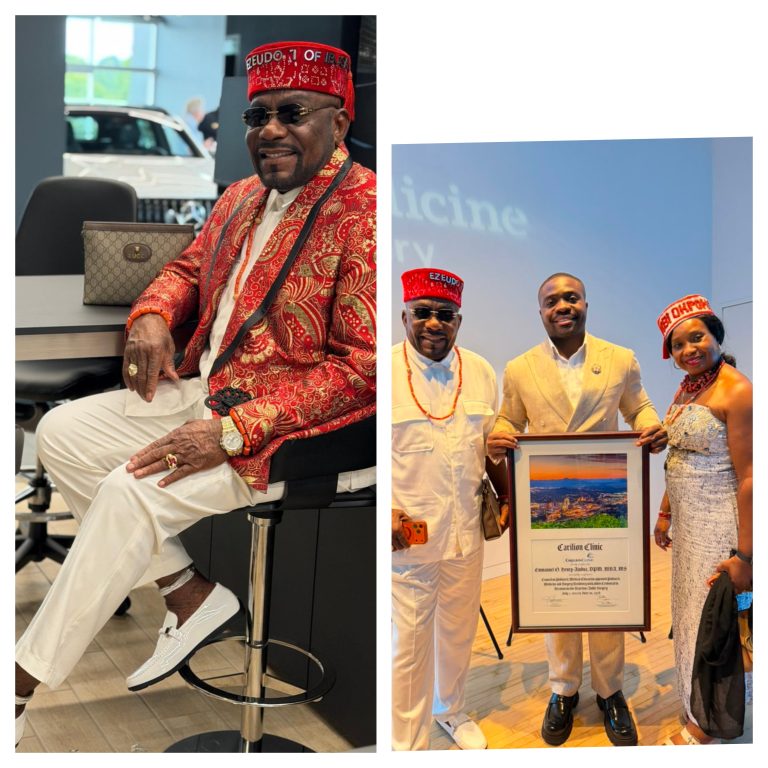
The family of renowned businessman and traditional leader, Obi (Dr.) Henry Chukwuma Ajudua (Obi Ezeudo of Igbuzo), has expressed profound appreciation to friends, associates, well-wishers, and the people of Igbuzo for the overwhelming goodwill and support following the remarkable academic and professional achievement of their son, Dr. Emmanuel Ogomegbunem Henry-Ajudua.



In a statement issued on behalf of the family, Obi Ajudua thanked individuals and organizations across Nigeria and the diaspora for their prayers, congratulatory messages, and expressions of goodwill as they celebrated Dr. Emmanuel’s successful completion of an advanced residency in Podiatric Medicine and Surgery, with an added credential in Reconstructive Rearfoot and Ankle Surgery at the prestigious Carilion Clinic, Roanoke, Virginia, United States.

According to the family, the accomplishment represents a major milestone in Dr. Emmanuel’s medical career and further reinforces the family’s longstanding commitment to academic excellence, professional development, and service to humanity.
The statement noted that the outpouring of support from the people of Igbuzo, colleagues, professional associates, friends, and well-wishers has been deeply encouraging and inspiring.

We are sincerely humbled by the overwhelming love, prayers, and goodwill extended to our family. This achievement is not only a personal victory for Dr. Emmanuel but also a shared success for everyone who believed in, encouraged, and supported him throughout his journey, the statement said.

The family emphasized that the achievement should serve as a source of inspiration to young Nigerians, demonstrating that excellence can be attained through discipline, hard work, resilience, faith, and dedication to purpose.
Obi Ajudua further expressed gratitude to Almighty God for His grace and guidance throughout the journey, while thanking all those who joined in celebrating the landmark achievement.

He prayed for God’s continued blessings upon all supporters, wishing them good health, peace, prosperity, and success in their various endeavours.
The family reaffirmed its commitment to contributing meaningfully to society through medicine, education, philanthropy, and humanitarian service.

Obi Dr. Henry Chukwuma Ajudua, who is also the President of Vebron Carre Conglomerates, said the love and solidarity shown during the celebration would remain cherished and remembered for years to come.

Building Bridges Across Regions: Ibrahim Kabir Masari and the North-West’s Strategic Role in National Unity

By: Ike Philip Abiagom

In a nation as diverse and complex as Nigeria, national unity is often sustained not merely through political rhetoric, but through deliberate engagement, consensus-building, and the cultivation of relationships across regional divides. The growing prominence of Ibrahim Kabir Masari within the administration of President Bola Ahmed Tinubu reflects the enduring importance of regional inclusion and political bridge-building in strengthening Nigeria’s democratic foundations.

As Nigeria navigates economic reforms, security challenges, and evolving political dynamics, the North-West region remains a critical pillar of national cohesion. With its vast population, strategic electoral significance, and immense economic potential, the region continues to play a central role in shaping national discourse and governance outcomes.

Within this context, Ibrahim Kabir Masari has emerged as one of the key figures facilitating engagement between the Federal Government and stakeholders across the North-West.

A native of Katsina State, Masari has built a reputation as a seasoned political strategist and grassroots mobilizer. His political journey within the All Progressives Congress (APC) spans several years, including his service as the party’s National Welfare Secretary under the leadership of former National Chairman, . His experience in party administration provided him with extensive knowledge of stakeholder management, grassroots politics, and inter-regional coordination.

His appointment as Senior Special Assistant on Political Affairs in 2023 and subsequent elevation to Special Adviser on Political Affairs underscore the confidence reposed in his ability to manage complex political relationships and foster stronger connections between the presidency and diverse constituencies across the country.

Political observers note that governance in a multicultural society such as Nigeria requires more than policy formulation; it demands effective communication and engagement with communities. Political advisers often serve as critical links between government institutions and the people, helping to translate policy objectives into messages that resonate with local realities and aspirations.

The importance of such roles cannot be overstated. Political scholars have long argued that strong institutions are sustained by individuals capable of fostering dialogue, managing differences, and building consensus among competing interests. In this regard, political bridge-builders contribute significantly to democratic stability and national development.

Beyond its electoral relevance, the North-West remains one of Nigeria’s most important economic regions. It serves as a major hub for agriculture, commerce, and inter-regional trade. At the same time, the region has been at the centre of national conversations on security, rural development, education, and economic inclusion.

Challenges such as banditry, rural poverty, youth unemployment, and insecurity have implications that extend far beyond the region, affecting food security, investor confidence, and internal migration across the country. Addressing these issues requires sustained collaboration among federal and state governments, traditional institutions, community leaders, and civil society organizations.

Masari’s political trajectory places him at the heart of such engagement efforts. Over the years, he has developed extensive networks across the North-West, maintaining relationships with political leaders, community stakeholders, and grassroots actors whose cooperation is often essential to policy implementation and public acceptance.

Within APC circles, he is widely regarded as an effective organizer and mobilizer with significant influence across northern Nigeria. This reputation has contributed to his growing responsibilities within the Tinubu administration.

Analysts argue that national unity is strengthened when citizens feel heard and represented in governance processes. Administrators and political coordinators who possess regional credibility often play a crucial role in fostering trust, addressing concerns, and ensuring that government initiatives are understood and embraced at the grassroots level.

Nigeria’s democratic experience has repeatedly demonstrated that inclusion promotes stability, while exclusion often breeds tension and mistrust. As the country continues its journey toward sustainable development and democratic consolidation, the need for dialogue across ethnic, religious, and regional lines remains more important than ever.

Against this backdrop, Ibrahim Kabir Masari’s rise from party administrator to Special Adviser on Political Affairs illustrates the enduring relevance of political organization, stakeholder engagement, and consensus-building in contemporary governance.

His career reflects a broader lesson in nation-building: unity is not achieved through declarations alone. Rather, it is nurtured through relationships, consultation, and the patient work of connecting diverse communities to a shared national vision.

In that sense, the contribution of the North-West to Nigeria’s development extends far beyond electoral statistics. It remains an integral part of the ongoing project of national integration, democratic stability, and collective progress.

Pastor Idowu Chukwudi Okeze: Celebrating an Uncommon Philanthropist and Beacon of Hope in Igbuzo

By : Ike Philip Abiagom

Pastor Idowu Okeze

In a society where many aspire to wealth but few dedicate their resources to the service of humanity, Pastor Idowu Chukwudi Okeze, popularly known as Ukpe Igbuzo, has emerged as a shining example of selfless service, compassion, and community development.

For years, Pastor Okeze has distinguished himself as one of the most influential philanthropists in Igbuzo, Oshimili North Local Government Area of Delta State, touching countless lives through Federal Government empowerment programmes, infrastructure projects, and humanitarian interventions aimed at improving the welfare of the people.

The name Ukpe, which translates to “The Light of God,” aptly reflects the impact Pastor Okeze has made in the lives of many. Across Igbuzo and beyond, he is widely regarded not merely as a successful businessman or religious leader, but as a man whose life mission is to uplift others and restore hope to the less privileged.

Today, his name resonates throughout the community as a symbol of generosity and service. Through his numerous philanthropic activities, he has won the admiration and respect of residents who see him as a benefactor committed to the progress and prosperity of his people.

Over the years, Pastor Okeze has invested heavily in youth empowerment, job creation, and poverty alleviation. Hundreds of young people have benefited from his various initiatives, including financial support, business grants, and vocational opportunities designed to help them become self-reliant and productive members of society.

His contributions to community development have also been remarkable. Recognising the need for basic amenities, he facilitated the installation of streetlights in parts of Igbuzo, helping to improve security and enhance social activities within the community. He also provided a public borehole that supplies free potable water to residents, easing the burden on many families.

One of his most celebrated interventions came when he distributed over 1,000 brand-new tricycles, popularly known as Keke NAPEP, to youths across Igbuzo. The initiative provided sustainable means of livelihood for many beneficiaries and significantly contributed to reducing unemployment within the community.

Beyond tricycles, Pastor Okeze has empowered individuals with motorcycles, buses, cash grants, and other forms of economic support, enabling numerous families to improve their living standards and build successful businesses.

Community leaders and beneficiaries often describe him as a “moving monument of kindness and compassion.” According to many residents, what sets him apart is not necessarily the size of his wealth, but his willingness to share it generously for the benefit of others.

His philanthropic philosophy goes beyond temporary assistance. Rather than simply providing relief, Pastor Okeze focuses on initiatives that create lasting impact by equipping people with the tools and opportunities needed to build meaningful and sustainable lives.

His passion for human development has also seen him support healthcare initiatives, educational programmes, and community projects. Recently, he announced plans to train thousands of indigent youths and women in various skills acquisition programmes, a project aimed at fostering entrepreneurship and economic independence.

In addition, he has consistently provided support for widows and vulnerable members of society, helping many families navigate difficult economic circumstances. His interventions have brought hope to countless households and strengthened the social fabric of the community.

Residents of Igbuzo acknowledge that Pastor Okeze’s commitment to service has become a source of inspiration to many. His actions have demonstrated that true success is measured not only by personal achievements but also by the positive impact one makes in the lives of others.

As he continues to expand his humanitarian efforts, Pastor Idowu Chukwudi Okeze remains a powerful example of leadership through service. His dedication to community development, youth empowerment, and poverty alleviation has earned him a special place in the hearts of the people.

For many in Igbuzo and beyond, Ukpe Igbuzo is more than a philanthropist; he is a beacon of hope whose legacy of compassion, generosity, and selfless service will continue to inspire future generations.

Indeed, Pastor Idowu Chukwudi Okeze has shown that the greatest wealth is not measured by what one possesses, but by the number of lives one transforms.

UK Hails Tinubu’s Economic Reforms, Describes Nigeria as African Superpower

By: Ike Philip Abiagom

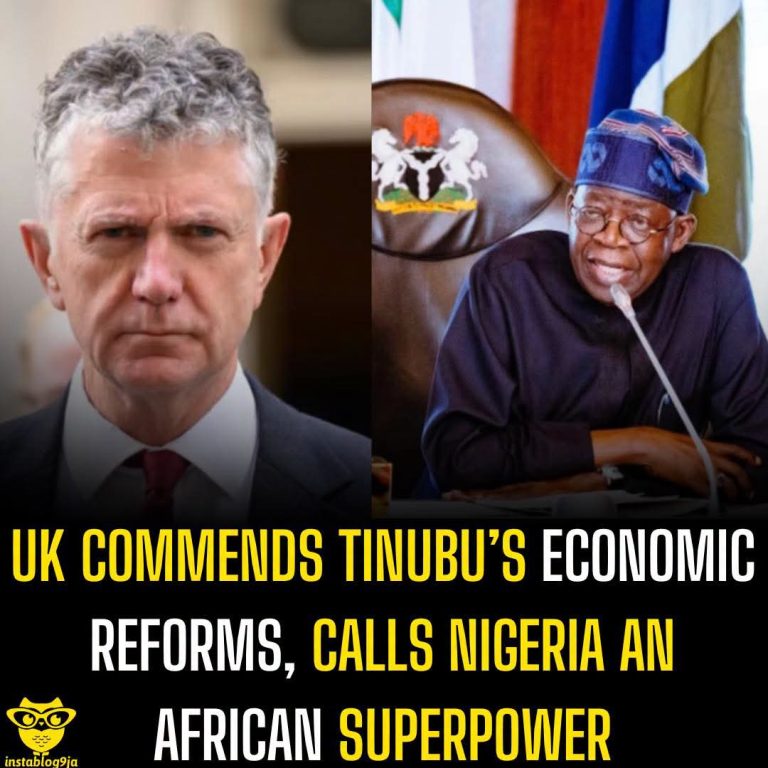
The United Kingdom has thrown its weight behind the economic reforms of President Bola Ahmed Tinubu’s administration, describing Nigeria as an “African superpower” and reaffirming its position as Britain’s most strategic partner on the continent.

The commendation came at the opening of the 4th UK–Nigeria Security and Defence Partnership (SDP4) Dialogue in Abuja, where the UK National Security Adviser, Jonathan Powell, praised the Federal Government’s bold economic policies and acknowledged the country’s growing influence in Africa.

Powell noted that while the reforms initiated by President Tinubu have required difficult adjustments, they are beginning to yield positive results and laying the foundation for sustainable economic growth and recovery.

He described Nigeria as a nation of immense strategic importance, highlighting its expanding economy, increasing capabilities, and leadership role in promoting peace, security, and development across Africa.

“Nigeria is an African superpower,” Powell declared, adding that the country’s success is critical not only to the continent but also to global stability and prosperity.

He emphasized that Nigeria remains the United Kingdom’s foremost partner in Africa and pledged continued collaboration in areas of security, economic development, governance, and regional stability.

The high-level dialogue focused on strengthening bilateral cooperation in tackling terrorism, banditry, cybercrime, maritime insecurity, and other emerging security challenges confronting both nations.

Speaking at the event, Nigeria’s National Security Adviser, Mallam Nuhu Ribadu, reaffirmed the Federal Government’s commitment to democratic governance, human rights, and the rule of law in addressing security concerns.

Ribadu warned that new and evolving threats—including cybercrime, the misuse of artificial intelligence, and illicit financial networks—are transforming the global security landscape and demanding innovative responses from governments around the world.

He called for enhanced intelligence-sharing, stronger international partnerships, and greater investment in technology to effectively counter modern security threats.

The NSA also commended the United Kingdom for its continued support in cybersecurity, information resilience, and capacity development, noting that the UK–Nigeria Security and Defence Partnership, launched in 2022, has significantly strengthened cooperation between both countries.

According to Ribadu, the partnership has delivered substantial gains in counter-terrorism operations, cybersecurity, maritime security, crisis management, intelligence sharing, and institutional strengthening.

The SDP4 Dialogue further underscored the growing strategic alliance between Nigeria and the United Kingdom, with both nations reaffirming their commitment to advancing security, economic prosperity, and regional stability.

Observers say the UK’s endorsement of President Tinubu’s economic reforms and recognition of Nigeria’s rising profile on the global stage represents a significant vote of confidence in the administration’s Renewed Hope Agenda and its efforts to reposition Nigeria as a leading force in Africa and beyond.