Home Blog Page 10

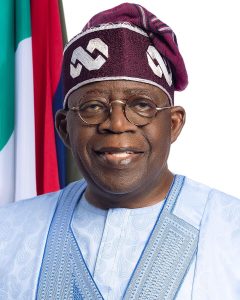
Tinubu’s Historic Rise Continues to Shape Nigeria’s Political Landscape

By: Ike Philip Abiagom
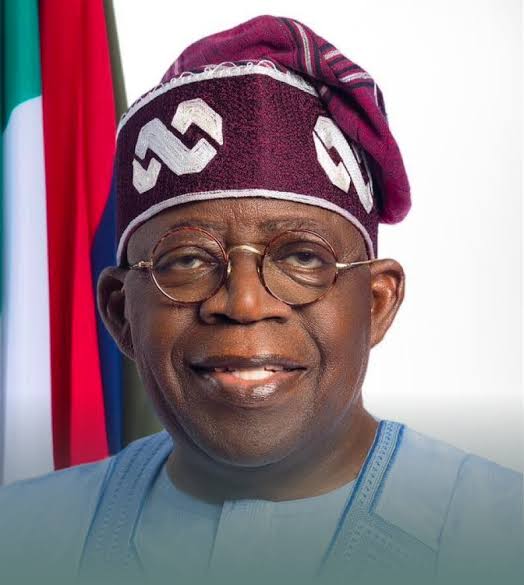
The emergence of President Bola Ahmed Tinubu as Nigeria’s leader has continued to attract widespread attention, not only because of his long political journey but also due to the historic milestones associated with his presidency.

Popularly known as “Asiwaju,” Tinubu’s rise to the highest political office in the country is being celebrated by supporters as a defining moment in Nigeria’s democratic history.

Political observers and admirers have highlighted several unique records associated with the President’s emergence.
Tinubu is widely recognized as the first Southern Muslim to become President of Nigeria, a development many described as a significant moment in the nation’s political evolution.

He is also regarded as the first indigene of Lagos to occupy the office of President since Nigeria gained independence in 1960.

Before becoming President, Tinubu served as a Senator during the aborted Third Republic, making him one of the few former lawmakers to eventually rise to the nation’s highest office.

Supporters have therefore described him as the first Senator to become President of Nigeria in the current democratic dispensation.

Tinubu’s academic and professional background has also remained part of the public discourse surrounding his leadership. Known for his training in accounting and financial management, he is widely acknowledged by supporters as the first President with a strong background in accounting and revenue management.

Many political analysts believe his reputation as a financial strategist was strengthened during his tenure as Governor of Lagos State between 1999 and 2007, where he spearheaded major revenue reforms that significantly increased the internally generated revenue of the state.

Under his administration in Lagos, the state witnessed aggressive infrastructural expansion, economic reforms, and improved tax administration, earning him the reputation of a revenue generation expert among supporters and political associates.

Supporters of the President argue that these experiences have positioned him to tackle Nigeria’s economic challenges and drive reforms aimed at national development.
Across social and political circles, many Nigerians continue to express hope that Tinubu’s leadership will bring economic growth, national stability, and sustainable development to the country.
while reflecting on the President’s journey, Grassroots Publishers offered prayers for the success of the administration, expressing optimism that Tinubu’s leadership would leave a lasting impact on Nigeria’s political and economic future.

As debates continue over policies and governance, supporters insist that Tinubu’s emergence remains one of the most symbolic political transitions in modern Nigeria, representing resilience, political experience, and strategic leadership.
For many loyalists of the President, the message remains clear — may Asiwaju succeed in his quest to build a stronger and more prosperous Nigeria.


Equity and Fairness Must Prevail in Oshimili/Aniocha Federal Constituency

By : Ike Philip Abiagom

Calls for equity, fairness, and political balance have continued to grow across the Oshimili/Aniocha Federal Constituency as concerned stakeholders and residents insist that the time has come for the Oshimili people to complete their rightful turn in the representation of the constituency at the House of Representatives.

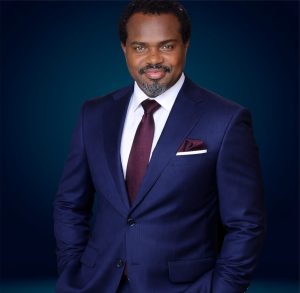
Since the return of democracy in 1999, political representation within the federal constituency has allegedly tilted heavily in favour of the Aniocha axis, with records showing that Aniocha representatives have occupied the seat for about 24 years, while Oshimili has only had the opportunity to represent the constituency for barely three years.

Concerned voices within the constituency described the development as unfair, unjust, and contrary to the spirit of democracy, equity, and political inclusiveness expected in a federal constituency made up of two major blocs.

According to political observers and community leaders, democracy thrives on fairness, mutual respect, and equal opportunity, stressing that no particular section should continuously dominate political positions at the expense of the other.

Many Oshimili indigenes argued that it would amount to political marginalization if Aniocha politicians are allowed to contest and occupy the House of Representatives seat again without allowing Oshimili to complete its fair share of representation.

They maintained that the people of Oshimili are not second-class citizens and should not be treated as political slaves or spectators in a constituency they jointly own with Aniocha.

Stakeholders further lamented what they described as the perception in some quarters that Oshimili lacks strong political voices or influential figures capable of defending the interests of the people. They insisted that Oshimili is blessed with competent, experienced, and credible individuals who can effectively represent the constituency and attract democratic dividends to the area.

They therefore appealed to political parties, leaders, elders, and stakeholders within the constituency to embrace justice, fairness, and political equity by supporting the rotation of the House of Representatives seat to Oshimili.

According to them, sustainable peace, unity, and political stability can only be achieved when every section of the constituency feels respected, recognized, and fairly treated in the sharing of political opportunities.

The stakeholders warned that continued political imbalance could deepen dissatisfaction and create unnecessary tension among the people, noting that fairness remains the foundation of true democracy and peaceful coexistence.

They concluded by urging all political actors to place the collective interest of the constituency above personal ambition and allow equity to guide the process ahead of future elections.

President Tinubu’s Signature Cap: The Story Behind the Broken Shackle Symbol

By: Ike Philip Abiagom

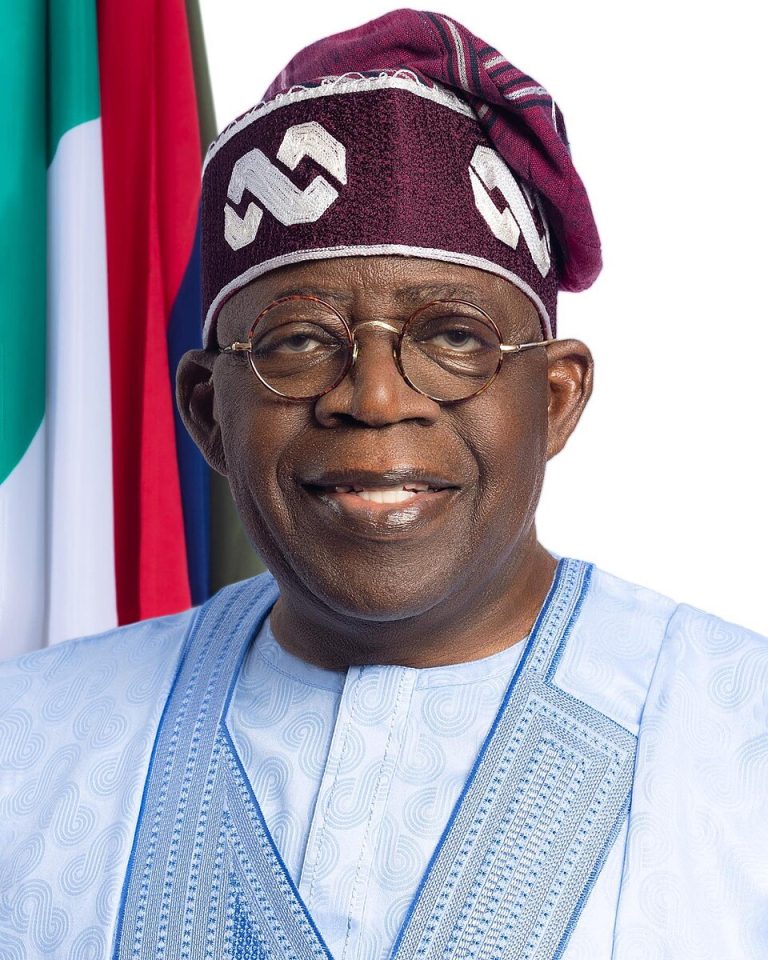
In politics, symbols often speak louder than words. Beyond campaign promises, speeches, and manifestos, political leaders across the world have used symbols to communicate identity, ideology, and history. In Nigeria, one of the most recognizable political symbols in recent times is the signature cap worn by President Bola Ahmed Tinubu.

For years, the emblem boldly embroidered on Tinubu’s cap has generated curiosity, speculation, and different interpretations among Nigerians. While some viewed it as a mere fashion statement or an infinity sign, others considered it a carefully crafted political brand. However, the President has consistently rejected such assumptions, insisting that the symbol represents something much deeper — a broken shackle.

According to Tinubu, the logo symbolizes freedom, liberation, and resistance against oppression. Explaining the meaning behind the emblem, the President once stated: “Freedom is written on my cap, and it is broken shackle… broken shackle, you cannot put us in bondage again.”
That declaration transformed the cap from an ordinary political accessory into a symbol tied to Nigeria’s democratic struggle and Tinubu’s personal political journey.

To fully understand the significance of the emblem, one must revisit Nigeria’s turbulent political era of the 1990s, a period dominated by military rule and suppression of democratic ideals. The annulment of the June 12, 1993 presidential election, widely believed to have been won by late business mogul and politician, Moshood Kashimawo Olawale Abiola, plunged Nigeria into political unrest and intensified opposition to military dictatorship.

During that difficult period, Tinubu emerged as one of the prominent voices in the pro-democracy movement under the National Democratic Coalition, popularly known as NADECO. The group became one of the strongest resistance platforms against the military regime led by late General Sani Abacha.

Tinubu was widely regarded as a financier, strategist, and committed democrat who supported the struggle for the restoration of civilian rule. As political repression intensified, he joined several pro-democracy activists in exile, where the campaign against military dictatorship continued internationally.

It was within this atmosphere of resistance and sacrifice that the “broken shackle” gained its true meaning. To Tinubu and many supporters of democracy, the symbol represented the breaking of political bondage, the defeat of oppression, and the restoration of freedom and democratic governance.

As Tinubu’s political career evolved from NADECO activist to Governor of Lagos State, national political strategist, and eventually President of Nigeria, the symbolism of the broken shackle also expanded in meaning.

Ahead of the 2023 presidential election, Tinubu began describing the emblem not only as freedom from dictatorship, but also liberation from poverty, ignorance, insecurity, hopelessness, and economic hardship. The symbol became both historical and contemporary — linking past democratic struggles with present-day governance challenges.

Political analysts believe the broken shackle reflects Tinubu’s attempt to present himself as a leader committed to national transformation and social progress. To supporters, the emblem symbolizes courage, resilience, and the determination to break structural barriers confronting ordinary Nigerians.

Interestingly, even many critics of the President do not dispute the meaning attached to the symbol. Instead, debates have largely focused on whether the administration has delivered on the promises associated with that message of liberation.

The cap also reflects a broader tradition within Yoruba political culture, where clothing, appearance, and symbolic items have historically served as tools of political communication. Much like the iconic glasses associated with late nationalist leader Obafemi Awolowo, Tinubu’s cap has evolved into a recognizable political identity.

Despite years of public speculation about hidden meanings or branding strategies, Tinubu has repeatedly maintained that the emblem means one thing alone — the broken shackle.

Today, the signature cap remains one of the most discussed political symbols in Nigeria’s modern political history, representing a narrative of struggle, survival, resistance, and leadership.
Whether Nigerians believe the promise behind the symbol has been fully achieved remains a matter of political opinion. But one message continues to stand firmly in the President’s own explanation of the emblem:
It was never infinity.
It was always the broken shackle.

Fidel Onwodi Celebrates Birthday Amid Political Breakthrough

By: Ike Philip Abiagom

It was a moment of joy, celebration, and renewed hope as friends, family members, political associates, and well-wishers gathered to celebrate the birthday of renowned entrepreneur, entertainment promoter, socialist, and politician, Fidel Onwodi.
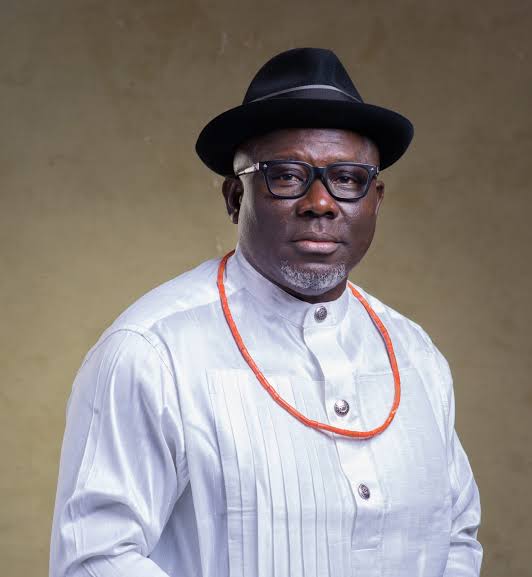
The celebration became even more remarkable as the day also marked a major political breakthrough for the energetic leader, who successfully scaled through the screening process as the sole aspirant for the House of Assembly election, a development many have described as a clear sign of destiny, divine grace, and growing acceptance among the people.

For more than a decade, Engr. Fidel Onwodi has remained steadfast in his commitment and determination to represent his constituency at the Delta State House of Assembly. His resilience, consistency, and passion for grassroots development have continued to earn him admiration across political and social circles within Aniocha North and beyond.

Widely respected for his contributions to the entertainment industry in Nigeria, Fidel Onwodi has over the years built a name associated with creativity, youth empowerment, social engagement, and community development. His influence in the entertainment sector has not only brought fame and recognition but has also created opportunities for many young talents seeking a platform to excel.

Political observers and stakeholders described his emergence as the sole aspirant after the screening exercise as a reflection of the confidence and trust reposed in him by party faithful and supporters who believe in his vision for effective representation and people-oriented leadership.

Speaking during the birthday celebration, supporters praised his humility, accessibility, and unwavering dedication to humanity, noting that his leadership qualities continue to inspire hope among the people, especially the youth.

As congratulatory messages continue to pour in from different quarters, many believe that the future holds greater victories and accomplishments for the visionary politician whose passion for service remains unwavering.

Indeed, this rare coincidence of birthday celebration and political advancement stands as a symbol of purpose and fulfillment for a man many have described as a rising force in Delta State politics.

May this new age bring greater wisdom, strength, favor, and opportunities for service, while the journey ahead continues to be filled with success, unity, peace, and impactful leadership.

2027: Deltans Rally Behind Oborevwori, Declare No Vacancy Till 2031

By: Ike Philip Abiagom

Residents and political stakeholders across Delta State have continued to express confidence in the administration of Governor Sheriff Oborevwori, declaring that the governor’s performance and people-oriented leadership have positioned him strongly ahead of the 2027 gubernatorial election.
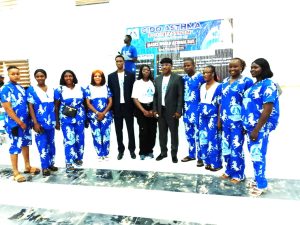
Since assuming office on May 29, 2023, Governor Oborevwori has continued to win the admiration of many Deltans through what observers described as prudent management of state resources, grassroots leadership style, and the execution of developmental projects across the three senatorial districts of the state.

Many residents who spoke on the governor’s achievements noted that his administration has brought visible infrastructural development, improved public confidence in governance, and strengthened connections between government and the people.

Political analysts in the state maintained that Governor Oborevwori has distinguished himself as a servant leader whose administration prioritizes the welfare of the people and equitable distribution of projects.

According to them, roads, educational facilities, healthcare projects, and other developmental initiatives have continued to spread across Delta North, Delta Central, and Delta South senatorial zones, thereby giving residents a sense of inclusion in governance.

They further described the governor as a leader with strong grassroots appeal and “street credibility,” noting that his accessibility and listening ear have endeared him to many communities across the state.

Governor Oborevwori understands the needs of the ordinary people because he came from the grassroots. He listens, he responds, and he has continued to carry everybody along in governance, a political stakeholder stated.
Many supporters of the administration have also continued to canvass for continuity beyond 2027, insisting that the governor deserves another term based on his performance and commitment to the MORE Agenda of his administration.

The growing support, according to observers, has fueled the popular political slogan in parts of the state that “there is no vacancy in Government House until 2031.

As political activities gradually begin to gather momentum ahead of the next electoral cycle, supporters of Governor Oborevwori remain optimistic that his achievements and popularity among the people will continue to strengthen his political standing across Delta State.

CIDO Asthma Foundation Celebrates Nurses on International Nurses Day

By: Ike Philip Abiagom

As the world marks the 2026 edition of International Nurses Day today, the CIDO Asthma Foundation has joined millions across the globe in celebrating nurses for their unwavering dedication, compassion, and invaluable contributions to healthcare delivery.
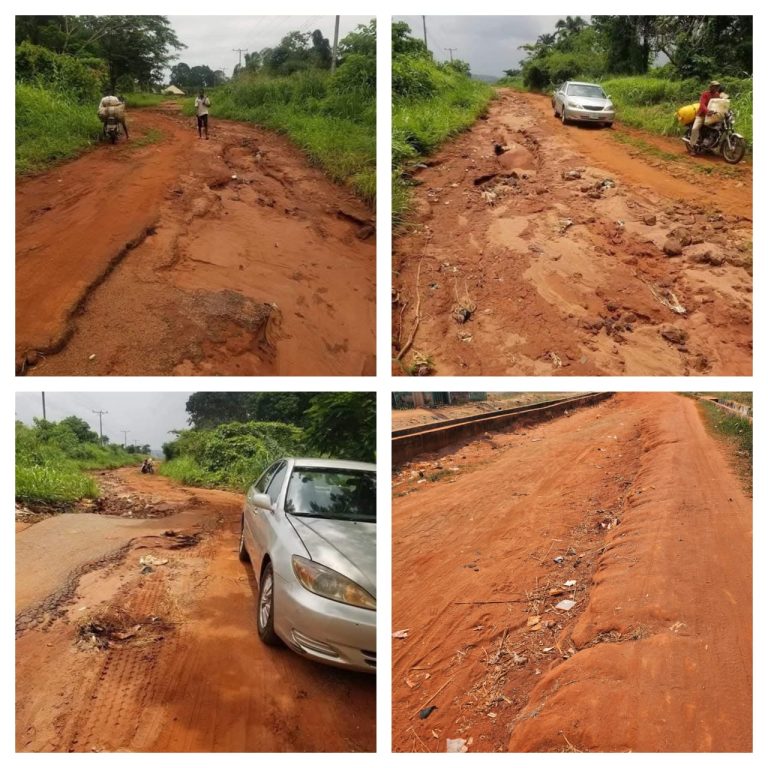
International Nurses Day is celebrated annually on May 12, the birth anniversary of the founder of modern nursing, Florence Nightingale. The day is set aside to recognize the sacrifices, commitment, and critical roles nurses play in saving lives and improving healthcare systems worldwide.
In a goodwill message released to commemorate the occasion, the Coordinator of the foundation, Dr. Pat Adigwe, praised the nurses of the foundation for their hard work, professionalism, and selfless service to humanity.

Dr. Adigwe, speaking on behalf of the Chairman and the entire membership of the foundation, described the nurses as the backbone of healthcare services rendered by the organization, noting that their dedication has continued to impact positively on patients and communities battling asthma and other respiratory challenges.

According to him, the commitment and tireless efforts of the nurses have helped the foundation sustain its humanitarian and healthcare interventions across different communities.
He further commended the nurses for remaining steadfast in the discharge of their duties despite the numerous challenges faced within the healthcare sector

Today, we celebrate our nurses who have shown exceptional dedication, compassion, and commitment to duty. Your sacrifices and tireless service to humanity remain highly appreciated by the Chairman, management, and members of the foundation, he stated.

The foundation also reaffirmed its commitment to supporting healthcare professionals and promoting quality healthcare services for the benefit of society.

International Nurses Day continues to serve as a reminder of the vital role nurses play in healthcare institutions and communities around the world.

Ebu Community Cries Out Over Decades of Neglect, Erosion and Failed Roads

By : Ike Philip Abiagom

Residents of Ebu Community in Oshimili North Local Government Area have raised fresh concerns over what they described as decades of abandonment, worsening erosion menace, and the deplorable state of roads linking the agrarian community to neighbouring towns and the rest of the state.
The community, known for its rich agricultural activities and food production, lamented that the absence of accessible roads has continued to isolate the town economically and socially, while successive governments allegedly failed to address the situation despite repeated promises.

According to community sources, the coming rainy season has heightened fears among residents as erosion continues to ravage major access roads, threatening lives, farmlands, and economic activities within the area.

The people noted that the road leading to the palace and other strategic parts of the community has become almost impassable, making movement difficult for residents, farmers, traders, and visitors.

They further decried the deteriorating condition of the Ebu–Ezi-Ukala road, described as the only major inter-link road connecting Ebu to neighbouring communities and serving as a critical economic route for the people.

Residents said the road has remained abandoned for years and is no longer motorable, thereby crippling commercial activities and worsening the hardship faced by farmers who depend on transporting agricultural produce to nearby markets.

Community leaders lamented that Ebu, despite being regarded as one of the food baskets of Delta North, has suffered neglect for over three decades without a single functional internal road in the town.

According to them, the situation has led to deep isolation, collapsed local economic activities, and severe logistical challenges that continue to affect the livelihood of the people.

They also expressed concern over the condition of the federal road linking the axis to Abuja, alleging that heavy-duty vehicles have further damaged the road, thereby posing serious risks to motorists and residents.

The community described the development as painful and unacceptable, stressing that Ebu appears to have been completely removed from the development map of the state.

The people therefore appealed to the Governor of Delta State, Sheriff Oborevwori, to urgently intervene by declaring a state of emergency on the development of Ebu Community.

They called on the state government to immediately commence reconstruction of major access roads, erosion control projects, and other critical infrastructure needed to reconnect the community with the rest of the state.

According to the residents, the continued neglect of Ebu Community has subjected the people to untold hardship and suffering for decades, adding that urgent government intervention remains the only hope of saving the community from total collapse.

Why Tinubu May Remain Unstoppable Ahead of 2027 Elections

By : Ike Philip Abiagom

Since assuming office as President of Nigeria, Bola Ahmed Tinubu, the political and economic landscape of Nigeria has witnessed bold reforms and far-reaching policy decisions that many political observers believe may strengthen his chances ahead of the 2027 general elections.

Despite the initial hardship that accompanied some of the economic reforms, supporters of the President insist that his administration has demonstrated courage, proactive leadership, and a determination to rebuild the nation’s economy from its foundation.

One of the major achievements frequently highlighted by analysts is the improved financial stability currently being experienced by many state governments.

Unlike in previous years when several states struggled to pay workers’ salaries and pensions for months, many states are now meeting salary obligations more regularly due to increased federal allocations and fiscal reforms introduced by the Tinubu administration.

The removal of fuel subsidy, though controversial at the beginning, has significantly increased revenue available to states through the Federation Account Allocation Committee (FAAC). This development has enabled governors to embark on projects, clear salary arrears, improve workers’ welfare, and strengthen developmental programmes across their respective states.
Observers also point to the implementation of Local Government autonomy as one of the defining reforms of the current administration.

The policy is widely seen as a bold move aimed at strengthening grassroots governance and ensuring that funds allocated to local governments directly reach the people at the grassroots level without unnecessary interference.

Many Nigerians believe that if fully implemented, Local Government autonomy will accelerate rural development, improve healthcare delivery, support primary education, and create more economic opportunities for local communities.

In the area of infrastructure, the Tinubu administration has continued to push major road rehabilitation and construction projects across different parts of the country.

Ongoing investments in transportation, power, industrial development, and urban renewal programmes are also being viewed as part of a long-term strategy to reposition the Nigerian economy for sustainable growth.

Political observers further note that under President Tinubu’s administration, reforms in the power sector have opened new opportunities for state governments to actively participate in electricity generation and distribution. The decentralization of power-related responsibilities is being viewed as a strategic move that could improve electricity supply and encourage industrial expansion across the federation.

Supporters of the President further argue that his administration has shown strong political will in confronting difficult national issues that previous governments avoided for years. They maintain that although some of the reforms may appear painful in the short term, the long-term benefits could reshape the country’s economic future and strengthen national development.

Political analysts also note that President Tinubu remains one of the most experienced politicians in Nigeria, with a strong political structure, nationwide alliances, and deep grassroots connections that continue to give him considerable influence across the country.

While opposition parties are expected to challenge the ruling government ahead of 2027, many supporters insist that the President’s reform-driven agenda, infrastructural projects, improved state revenues, local government autonomy policies, and proactive governance style may make him a formidable candidate in the next presidential election.

As Nigerians continue to assess the impact of the ongoing reforms, the coming years will ultimately determine how the electorate judges the Tinubu administration and its vision for the future of the nation.

Pastor Idowu Okeze’s Empowerment in Igbuzo Described as Organic, Not Political

By : Ike Philip Abiagom

The numerous empowerment programmes championed by Pastor Idowu Chukwudi Okeze through the Obi Nwaokocha Okeze Foundation have continued to attract widespread commendation from residents of Igbuzo, who described his humanitarian services as genuine, people-oriented, and completely free from political influence.

For several years, the foundation has remained actively involved in improving the lives of the people through various interventions, including human capital development, scholarship schemes, tricycle empowerment, free medical outreach programmes, widows’ support initiatives, cash empowerment, health insurance schemes for vulnerable persons, Christmas packages for the less privileged, youth skill acquisition programmes, and vocational training aimed at reducing unemployment among youths.

The foundation has also facilitated several empowerment opportunities attracted from the Federal Government, thereby expanding support for many residents and creating more opportunities for community development.

Many beneficiaries and community stakeholders have maintained that Pastor Okeze’s commitment to the growth and development of Igbuzo goes beyond politics, stressing that his passion for community service is deeply rooted in his love for his hometown and its people.

According to residents, Pastor Okeze has consistently demonstrated uncommon dedication toward the progress of Igbuzo by supporting both indigenes and non-indigenes residing in the community without discrimination.
Community members noted that his empowerment programmes were never designed as political tools or avenues for personal gain, but rather as sincere efforts aimed at uplifting the less privileged, restoring hope to vulnerable families, and creating opportunities for young people to become self-reliant.

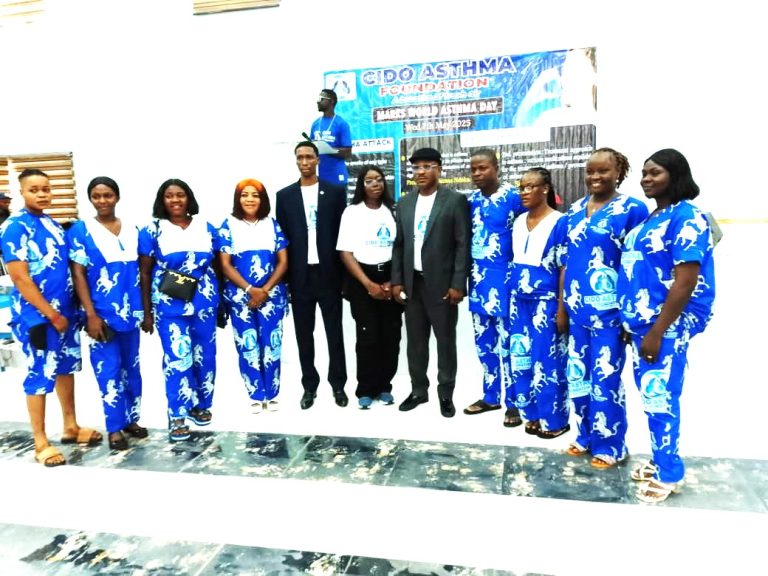
Speaking on recent criticisms trailing the foundation’s activities during the World Asthma Day event held on May 5, 2026, at the Obi Nwaokocha Okeze Event Centre, some concerned residents condemned attempts by certain individuals to politicize the foundation’s humanitarian efforts.

The event, which featured free medical services, asthma awareness campaigns, and support programmes for vulnerable persons, reportedly attracted a large number of beneficiaries from within and outside the community.

However, some individuals at the event allegedly claimed that the empowerment programmes carried out by the foundation were politically motivated and not genuine.

Reacting to the allegations, supporters of the foundation described such comments as unfortunate, misleading, and unfair, insisting that the visible impact of Pastor Okeze’s interventions across Igbuzo speaks louder than mere criticisms.

They further stated that Pastor Okeze’s empowerment record remains unprecedented in the history of the community, noting that countless families, youths, widows, students, and vulnerable persons have benefited directly from his generosity and community-driven initiatives.

Residents also praised the cleric for maintaining consistency in his philanthropic activities despite prevailing economic challenges in the country, emphasizing that his programmes have continued to restore hope, improve livelihoods, and strengthen grassroots development across different sectors of the community.

Many described Pastor Okeze as one of the foremost advocates of grassroots empowerment in Igbuzo, adding that his passion for service, humility, and dedication to humanity have earned him admiration and respect from many within and outside the community.

Ebu Community Cries Out Over Collapsing Health Sector, Seeks Government Intervention

By : Ike Philip Abiagom

Residents of Ebu Kingdom in Oshimili North Local Government Area of Delta State have raised fresh concerns over the deteriorating state of healthcare services in the community, lamenting decades of alleged neglect and abandonment by successive governments.

The agrarian community, which has reportedly suffered from lack of basic infrastructure for more than 30 years, said the situation in the health sector has become alarming, with increasing cases of preventable diseases and avoidable deaths.

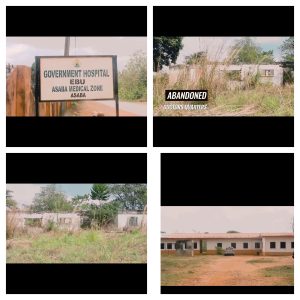
Community members disclosed that the only general hospital serving Ebu and surrounding communities has gradually deteriorated from what was once a functional healthcare facility into what they described as a “mere local clinic” due to lack of equipment, drugs, manpower and government attention.
According to residents, the hospital currently operates with only one medical doctor, a development they say is grossly inadequate for a growing population battling different health challenges.

They further lamented that the absence of potable water in the community has exposed residents to waterborne diseases such as cholera and other infections, while poor healthcare facilities continue to worsen the plight of the people.

A community source noted that many residents now depend largely on divine intervention for survival because access to quality healthcare has become almost impossible.

How can a general hospital in a community like Ebu operate with only one doctor? Even when doctors are posted here, many of them are unwilling to stay because the community lacks basic amenities such as electricity, good roads and clean water, the source said.

Residents also alleged that a doctors’ quarters renovation project awarded during the administration of former Governor Dr. Ifeanyi Okowa was abandoned shortly after work commenced.

According to the community, the contractor handling the project allegedly removed roofing materials and wooden structures from the building during an inspection and never returned to complete the work.

The removed zinc and woods have now become another story entirely. Nothing has been done on the project till today, another resident lamented.

The people of Ebu said the community has endured years of hardship and appealed passionately to Delta State Governor, Sheriff Oborevwori, to urgently intervene and rescue the community from what they described as decades of suffering and neglect.

They stressed that improved healthcare, potable water, electricity and road infrastructure would go a long way in restoring hope and improving the living conditions of residents in the area.