

By : Ike Philip Abiagom
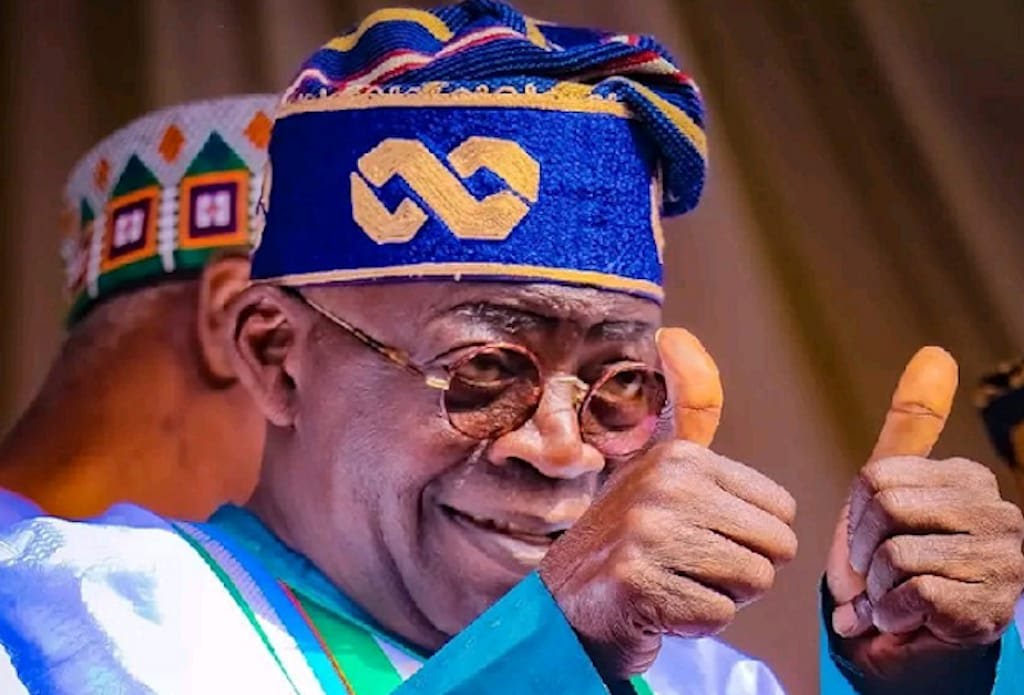
 As Nigeria gradually navigates through one of the most challenging periods in its economic and political history, many political observers and stakeholders believe that President Bola Ahmed Tinubu deserves another opportunity in 2027 to consolidate the reforms and policies already set in motion under his Renewed Hope Agenda.
Since assuming office, President Tinubu has demonstrated courage, resilience, and political will in addressing long-standing structural problems that previous administrations avoided for decades. Though the reforms initially came with difficulties, many analysts insist that the foundations being laid today are necessary for a more stable and prosperous Nigeria tomorrow.
One of the major reasons Nigerians will consider returning President Tinubu in 2027 is his bold economic reforms aimed at repositioning the nation’s economy.
Upon assumption of office, the administration took decisive steps to remove fuel subsidy, unify the foreign exchange market, and strengthen fiscal discipline. While these measures sparked temporary hardship, economic experts maintain that such reforms were inevitable to rescue Nigeria from economic collapse.
Another notable achievement of the Tinubu administration is the relative stabilization of the dollar exchange rate compared to the chaotic fluctuations witnessed in the early stages of the reforms.
Through strategic monetary and fiscal policies, investor confidence is gradually returning, while efforts to boost local production and reduce dependence on imports continue to gain momentum.
The President’s tax reform initiatives have also been applauded by economic stakeholders who believe the policies will improve government revenue generation, reduce leakages, and create a more transparent tax administration system.
The reforms are expected to strengthen Nigeria’s capacity to fund critical sectors such as healthcare, education, infrastructure, and agriculture without excessive dependence on borrowing.
Infrastructure development under President Tinubu has equally remained a key point of discussion. Across different parts of the country, ongoing road rehabilitation projects, rail development, power sector improvements, and investments in critical public infrastructure have continued to reflect the administration’s commitment to national development.
Supporters argue that these projects require continuity for Nigerians to fully enjoy their long-term benefits.
Beyond policies and projects, President Tinubu’s vast experience in governance is another factor many Nigerians consider significant. Having served as a former Governor of Lagos State, where he introduced transformative reforms that turned Lagos into Nigeria’s leading economic hub, Tinubu is widely regarded as a seasoned administrator with deep understanding of governance, political management, and economic planning.
Political analysts also believe that many of the reforms currently being implemented require time to mature and yield maximum results.
According to them, discontinuity in leadership may disrupt ongoing economic recovery efforts and delay national progress.
While opposition parties continue to criticize certain policies of the administration, supporters of the President insist that difficult reforms are often misunderstood in their early stages but appreciated in the long run when the positive outcomes become visible.
As the 2027 general elections gradually approach, the debate over Nigeria’s future leadership will undoubtedly intensify. However, for many Nigerians who believe in continuity, economic restructuring, infrastructural expansion, and experienced leadership, President Bola Ahmed Tinubu remains a strong contender deserving of another mandate to complete the reforms already underway.