

By: Ike Philip Abiagom
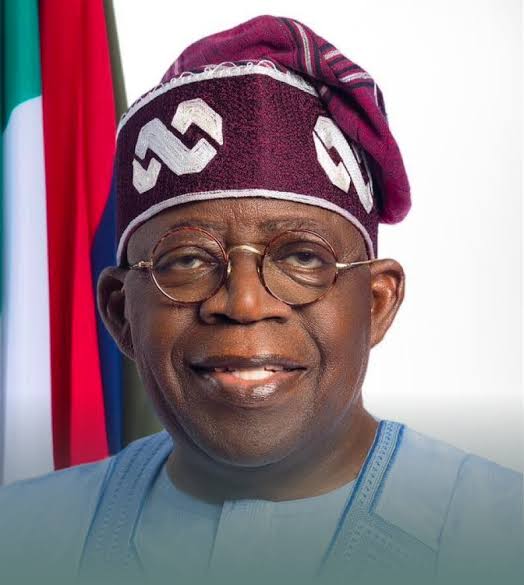
 In politics, symbols often speak louder than words. Beyond campaign promises, speeches, and manifestos, political leaders across the world have used symbols to communicate identity, ideology, and history. In Nigeria, one of the most recognizable political symbols in recent times is the signature cap worn by President Bola Ahmed Tinubu.
For years, the emblem boldly embroidered on Tinubu’s cap has generated curiosity, speculation, and different interpretations among Nigerians. While some viewed it as a mere fashion statement or an infinity sign, others considered it a carefully crafted political brand. However, the President has consistently rejected such assumptions, insisting that the symbol represents something much deeper — a broken shackle.
According to Tinubu, the logo symbolizes freedom, liberation, and resistance against oppression. Explaining the meaning behind the emblem, the President once stated: “Freedom is written on my cap, and it is broken shackle… broken shackle, you cannot put us in bondage again.”
That declaration transformed the cap from an ordinary political accessory into a symbol tied to Nigeria’s democratic struggle and Tinubu’s personal political journey.
To fully understand the significance of the emblem, one must revisit Nigeria’s turbulent political era of the 1990s, a period dominated by military rule and suppression of democratic ideals. The annulment of the June 12, 1993 presidential election, widely believed to have been won by late business mogul and politician, Moshood Kashimawo Olawale Abiola, plunged Nigeria into political unrest and intensified opposition to military dictatorship.
During that difficult period, Tinubu emerged as one of the prominent voices in the pro-democracy movement under the National Democratic Coalition, popularly known as NADECO. The group became one of the strongest resistance platforms against the military regime led by late General Sani Abacha.
Tinubu was widely regarded as a financier, strategist, and committed democrat who supported the struggle for the restoration of civilian rule. As political repression intensified, he joined several pro-democracy activists in exile, where the campaign against military dictatorship continued internationally.
It was within this atmosphere of resistance and sacrifice that the “broken shackle” gained its true meaning. To Tinubu and many supporters of democracy, the symbol represented the breaking of political bondage, the defeat of oppression, and the restoration of freedom and democratic governance.
As Tinubu’s political career evolved from NADECO activist to Governor of Lagos State, national political strategist, and eventually President of Nigeria, the symbolism of the broken shackle also expanded in meaning.
Ahead of the 2023 presidential election, Tinubu began describing the emblem not only as freedom from dictatorship, but also liberation from poverty, ignorance, insecurity, hopelessness, and economic hardship. The symbol became both historical and contemporary — linking past democratic struggles with present-day governance challenges.
Political analysts believe the broken shackle reflects Tinubu’s attempt to present himself as a leader committed to national transformation and social progress. To supporters, the emblem symbolizes courage, resilience, and the determination to break structural barriers confronting ordinary Nigerians.
Interestingly, even many critics of the President do not dispute the meaning attached to the symbol. Instead, debates have largely focused on whether the administration has delivered on the promises associated with that message of liberation.
The cap also reflects a broader tradition within Yoruba political culture, where clothing, appearance, and symbolic items have historically served as tools of political communication. Much like the iconic glasses associated with late nationalist leader Obafemi Awolowo, Tinubu’s cap has evolved into a recognizable political identity.
Despite years of public speculation about hidden meanings or branding strategies, Tinubu has repeatedly maintained that the emblem means one thing alone — the broken shackle.
Today, the signature cap remains one of the most discussed political symbols in Nigeria’s modern political history, representing a narrative of struggle, survival, resistance, and leadership.
Whether Nigerians believe the promise behind the symbol has been fully achieved remains a matter of political opinion. But one message continues to stand firmly in the President’s own explanation of the emblem:
It was never infinity.
It was always the broken shackle.