

By: Ike Philip Abiagom
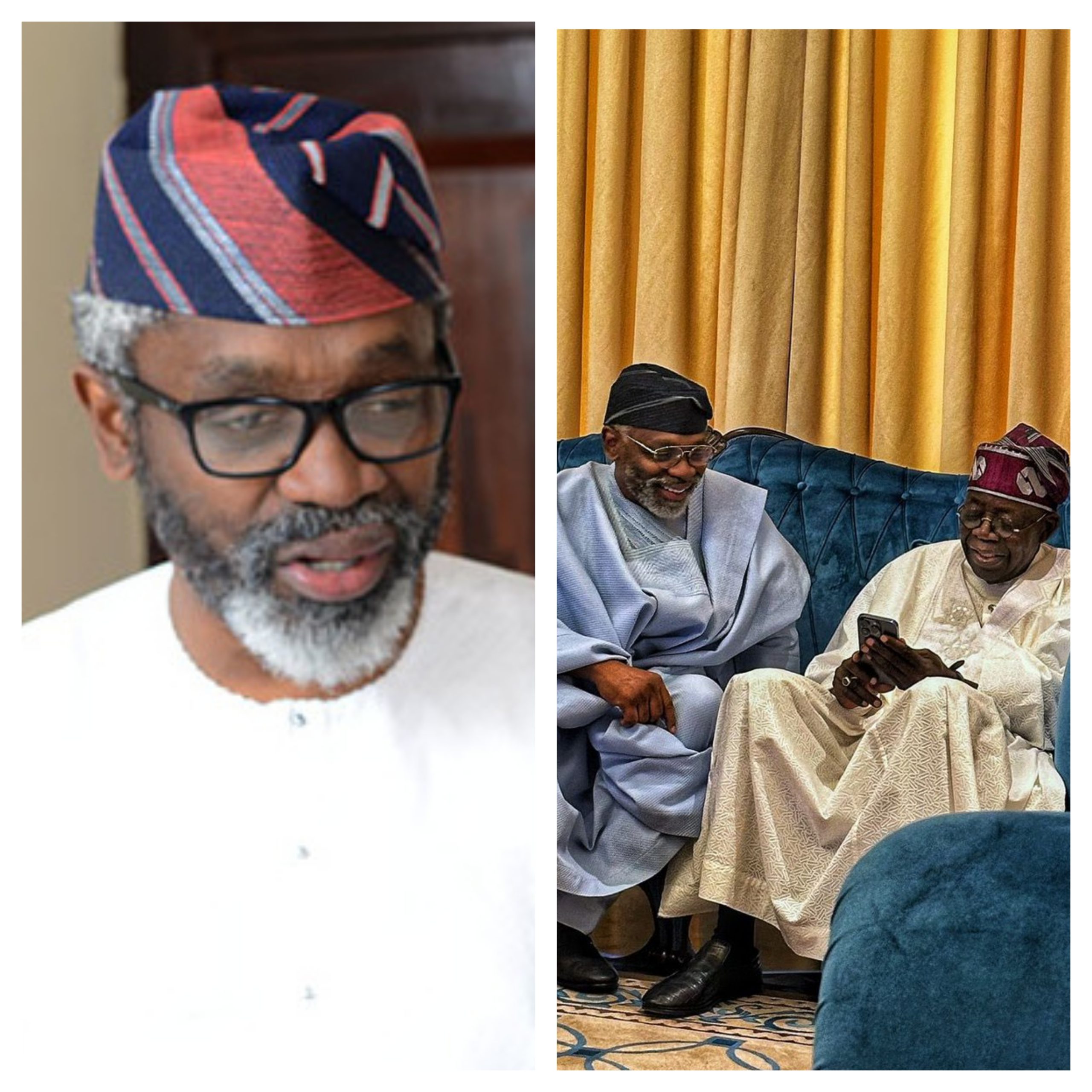
 In the annals of Nigeria’s democratic evolution, few political figures have left as enduring a mark on the nation’s legislative landscape as . A lawyer, legislator, reformer, and administrator, Gbajabiamila’s remarkable journey reflects a lifetime dedicated to public service, democratic governance, and nation-building.
Born on June 25, 1962, Olufemi Hakeem Gbajabiamila grew up with a passion for excellence and leadership. His educational journey began at Igbobi College, Lagos, where he distinguished himself as a brilliant student. He later attended King William’s College on the Isle of Man in the United Kingdom before proceeding to the University of Lagos, where he earned a Bachelor of Laws degree with honours in 1983.
Called to the Nigerian Bar in 1984, he quickly established himself as an outstanding legal practitioner. His career commenced at Bentley, Edu and Co., one of Nigeria’s respected law firms, where he built a reputation for diligence, professionalism, and legal excellence. He subsequently founded Femi Gbaja & Co., laying the foundation for a successful legal career.
Determined to expand his professional horizons, Gbajabiamila enrolled at John Marshall Law School in Atlanta, Georgia, United States, where he graduated Magna Cum Laude with a Juris Doctor degree. After passing the Georgia Bar Examination, he established a thriving legal practice in the United States before returning to Nigeria to contribute to the nation’s democratic development.
Upon his return home, Gbajabiamila answered the call to public service. Running on the platform of the Alliance for Democracy (AD), he sought to represent the people of Surulere I Federal Constituency in Lagos State.
His election to the House of Representatives in 2003 marked the beginning of an extraordinary legislative career that would span more than two decades. From the outset, he distinguished himself as an articulate lawmaker who consistently championed the interests of his constituents while advocating policies aimed at strengthening Nigeria’s democracy.
His legislative brilliance quickly earned national recognition. During the heated debate over the controversial third-term agenda, Gbajabiamila stood firmly with lawmakers who defended constitutional democracy, helping to preserve Nigeria’s democratic institutions at a critical moment in the nation’s history.The confidence of his constituents saw him re-elected repeatedly, making him one of Nigeria’s longest-serving federal legislators.
In 2007, he emerged as Minority Whip and Leader of the Action Congress caucus in the House of Representatives. By the end of his second term, he had sponsored more bills than any other member of the National Assembly, cementing his reputation as one of Nigeria’s most productive lawmakers.
In 2011, he became Leader of the Opposition in the House under the Action Congress of Nigeria (ACN). During the constitutional uncertainty occasioned by the prolonged illness of President Umaru Musa Yar’Adua, Gbajabiamila played a prominent role in advancing the Doctrine of Necessity motion. The initiative paved the way for the swearing-in of as Acting President, helping to avert a constitutional crisis and ensure continuity in governance.
His commitment to principle was further demonstrated in 2011 when he declined the national honour of Officer of the Federal Republic (OFR), arguing that such honours should be reserved strictly for exceptional service and merit.
As one of the leading figures behind the merger that produced the in 2014, Gbajabiamila played a strategic role in reshaping Nigeria’s political landscape.
Although he narrowly lost the race for Speaker in 2015, he remained steadfast in service. Four years later, on June 12, 2019, he was overwhelmingly elected Speaker of the Ninth House of Representatives.
Under the banner of “Nation Building: A Joint Task,” he ushered in an era of collaboration, inclusiveness, and legislative productivity. His administration developed a comprehensive Legislative Agenda focused on economic growth, social development, accountability, and institutional reforms.
One of the landmark achievements of the Ninth House under his leadership was the restoration of Nigeria’s January-to-December budget cycle, a reform widely credited with improving budget implementation and planning across government institutions.
His tenure also witnessed the passage of critical economic legislation, including the Finance Bill and the Deep Offshore and Inland Basin Production Sharing Contract Amendment Act, measures aimed at strengthening Nigeria’s economy and improving government revenue generation.
Gbajabiamila consistently demonstrated a passion for social justice and human development. He championed programmes and legislative interventions for persons living with disabilities, out-of-school children, students, and vulnerable citizens. His advocacy contributed significantly to national conversations on educational access, disability inclusion, and social protection.
Among the notable initiatives associated with his legislative agenda were student loan reforms, disability rights legislation, economic stimulus measures, and public health interventions.
When the COVID-19 pandemic struck, his leadership came to the fore. Under his stewardship, the House of Representatives introduced emergency economic measures, advocated support for struggling Nigerians, promoted social intervention programmes, and pursued legislative solutions aimed at mitigating the effects of the pandemic on citizens and businesses.
Beyond Nigeria’s borders, Gbajabiamila emerged as an influential parliamentary leader across Africa. As Chairman of the Conference of African Speakers of Parliament (COSAP), he championed legislative cooperation, democratic governance, and continental development.
His leadership style—defined by consensus-building, strategic thinking, and institutional strengthening—earned him respect among legislators across Africa and beyond.
Following decades of distinguished service in lawmaking and governance, Gbajabiamila was appointed Chief of Staff to President on 2nd of June 2023 , bringing his extensive legislative experience and administrative expertise to the Presidency.
In this pivotal role, he serves as a key adviser and coordinator within the administration, helping to drive government policies, facilitate strategic decision-making, and strengthen collaboration between the executive and legislative arms of government.His appointment reflects the confidence reposed in his leadership abilities, political experience, and commitment to national development.
From the courtroom in Lagos and Atlanta to the chambers of Nigeria’s National Assembly and the highest levels of executive governance, Olufemi Hakeem Gbajabiamila’s story is one of perseverance, excellence, and service.
His journey illustrates the power of dedication, principled leadership, and unwavering commitment to democratic ideals. As Nigeria continues its quest for sustainable development and national transformation, Gbajabiamila remains one of the defining figures of his generation—a statesman whose contributions have helped shape the nation’s political and legislative history. For over two decades, he has remained steadfast in his belief that public office is a platform for service. Through every chapter of his career, he has sought to leave Nigeria stronger, more democratic, and better positioned for the future.
Today, Olufemi Hakeem Gbajabiamila stands as a symbol of leadership, resilience, and patriotic service—an accomplished lawyer, seasoned parliamentarian, and trusted administrator whose impact on Nigeria’s governance architecture will be remembered for generations.