

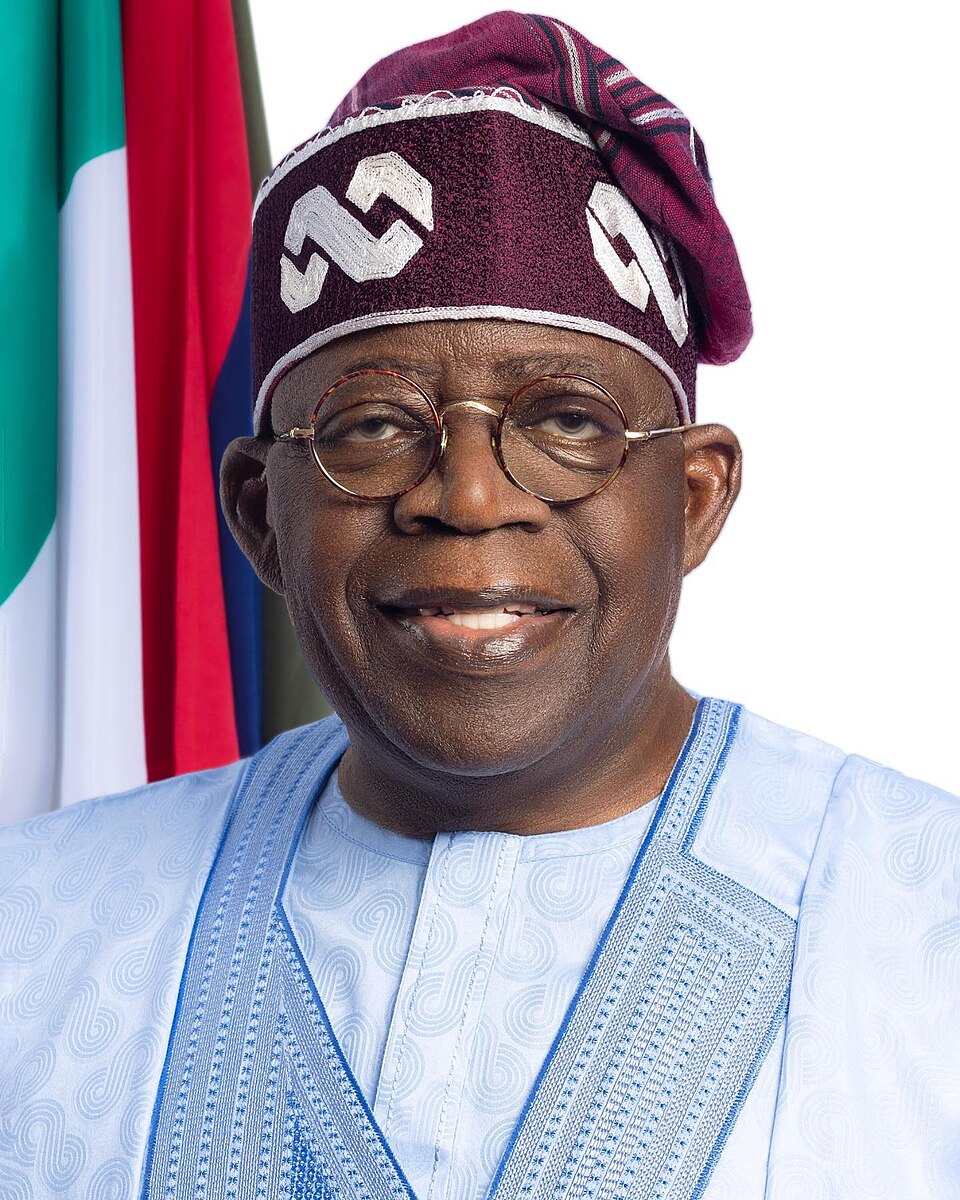
By : Ike Philip Abiagom
Since assuming office as President of Nigeria, Bola Ahmed Tinubu, the political and economic landscape of Nigeria has witnessed bold reforms and far-reaching policy decisions that many political observers believe may strengthen his chances ahead of the 2027 general elections.
Despite the initial hardship that accompanied some of the economic reforms, supporters of the President insist that his administration has demonstrated courage, proactive leadership, and a determination to rebuild the nation’s economy from its foundation.
One of the major achievements frequently highlighted by analysts is the improved financial stability currently being experienced by many state governments.
Unlike in previous years when several states struggled to pay workers’ salaries and pensions for months, many states are now meeting salary obligations more regularly due to increased federal allocations and fiscal reforms introduced by the Tinubu administration.
The removal of fuel subsidy, though controversial at the beginning, has significantly increased revenue available to states through the Federation Account Allocation Committee (FAAC). This development has enabled governors to embark on projects, clear salary arrears, improve workers’ welfare, and strengthen developmental programmes across their respective states.
Observers also point to the implementation of Local Government autonomy as one of the defining reforms of the current administration.
The policy is widely seen as a bold move aimed at strengthening grassroots governance and ensuring that funds allocated to local governments directly reach the people at the grassroots level without unnecessary interference.
Many Nigerians believe that if fully implemented, Local Government autonomy will accelerate rural development, improve healthcare delivery, support primary education, and create more economic opportunities for local communities.
In the area of infrastructure, the Tinubu administration has continued to push major road rehabilitation and construction projects across different parts of the country.
Ongoing investments in transportation, power, industrial development, and urban renewal programmes are also being viewed as part of a long-term strategy to reposition the Nigerian economy for sustainable growth.
Political observers further note that under President Tinubu’s administration, reforms in the power sector have opened new opportunities for state governments to actively participate in electricity generation and distribution. The decentralization of power-related responsibilities is being viewed as a strategic move that could improve electricity supply and encourage industrial expansion across the federation.
Supporters of the President further argue that his administration has shown strong political will in confronting difficult national issues that previous governments avoided for years. They maintain that although some of the reforms may appear painful in the short term, the long-term benefits could reshape the country’s economic future and strengthen national development.
Political analysts also note that President Tinubu remains one of the most experienced politicians in Nigeria, with a strong political structure, nationwide alliances, and deep grassroots connections that continue to give him considerable influence across the country.
While opposition parties are expected to challenge the ruling government ahead of 2027, many supporters insist that the President’s reform-driven agenda, infrastructural projects, improved state revenues, local government autonomy policies, and proactive governance style may make him a formidable candidate in the next presidential election.
As Nigerians continue to assess the impact of the ongoing reforms, the coming years will ultimately determine how the electorate judges the Tinubu administration and its vision for the future of the nation.