

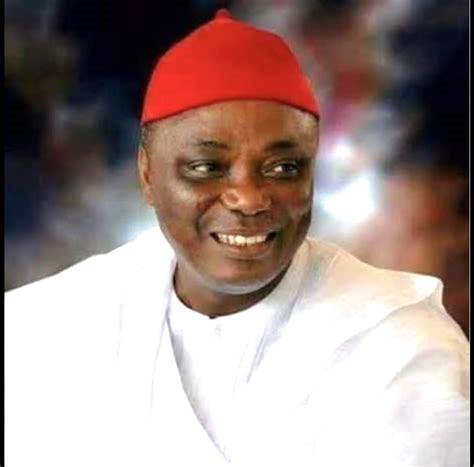
By: Ike Philip Abiagom

The passing of Distinguished Senator Peter Nwaoboshi has created a profound leadership gap in Oshimili North and Oshimili South, leaving both local government areas politically exposed and increasingly vulnerable.
Once anchored by a strong and assertive political presence, the zone now appears uncertain of direction and weakened in influence.
Senator Nwaoboshi was more than an elected official; he was a fearless advocate who stood firmly against political intimidation and external pressure. With his death, Oshimili lost a rallying point and a voice that commanded respect beyond its borders. In the absence of such leadership, political actors from other zones are gradually positioning themselves to dictate outcomes and impose candidates, often without regard for the will of the people.
What has emerged in the vacuum is a troubling political culture marked by compromise and convenience. Instead of principled leadership, Oshimili politics is increasingly driven by transactional interests, where loyalty is negotiable and silence can be purchased. The collective political consciousness of the area appears diminished, replaced by short-term calculations and personal gain.
Historically, from 1999 to 2023, the Aniocha axis dominated representation in the House of Representatives.
Oshimili’s brief breakthrough in 2023—largely propelled by the momentum of the Obidient movement—was a significant milestone. While expectations from that representation may not have been fully met, it would be misleading to suggest that Oshimili lacks capable individuals with the competence and experience to represent the constituency effectively.
The more disturbing development is the reluctance of political stakeholders within Oshimili to assert their rightful place. Since the Senator’s passing, voices that should defend equity and zoning have grown faint, especially when faced with financial inducements. In this atmosphere, long-term political interests are being sacrificed for immediate rewards.
Across communities such as Asaba,Ibusa, Akwukwu-Igbo, Okpanam, Oko, Ebu, Illah, Ukala and Ugbolu there is no shortage of population or potential. What is scarce, however, is courageous leadership—men and women willing to rise above personal benefit and defend the political integrity and future of Oshimili.
Even more concerning is the growing involvement of Oshimili youths in campaigns aimed at restoring Aniocha’s dominance in the House of Representatives. Many of these youths, neglected and disillusioned by their own leaders, have become tools in political strategies that do not ultimately serve their interests.
With Senator Nwaoboshi no longer on the scene, a critical question remains unanswered: who will step forward to firmly and confidently insist that Oshimili still deserves its turn at the national table? Who will challenge entrenched interests and speak boldly in defence of fairness and political balance?
This is a defining and difficult moment for Oshimili politics. One cannot help but wonder how different the current situation might be if the political iroko had not fallen.