

By: Ike Philip Abiagom
For decades, Ebu community has remained largely forgotten and abandoned on the development map of Delta State, despite its consistent loyalty to government and unwavering commitment to civic responsibility.
The last visible presence of government in Ebu dates back to the year 2000, during the administration of former Governor James Ibori, when the Ebu–Ukala Road was constructed. Since that time, the community has witnessed little or no government intervention, leaving residents to wonder whether Ebu still exists in the consciousness of successive administrations.
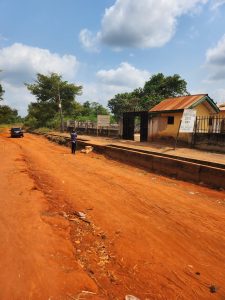
Today, Ebu stands as a painful symbol of neglect. The only government-owned general hospital in the town is in a deplorable condition—barely fit to be called a healthcare facility. Its state is so poor that concerned sons of the community were compelled to step in, renovating the doctors’ quarters and installing solar power just to make the environment habitable for medical personnel.
While commendable, these efforts cannot replace the urgent need for proper medical infrastructure, equipment, and sustained government support.
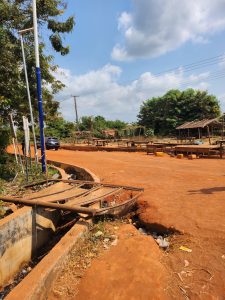
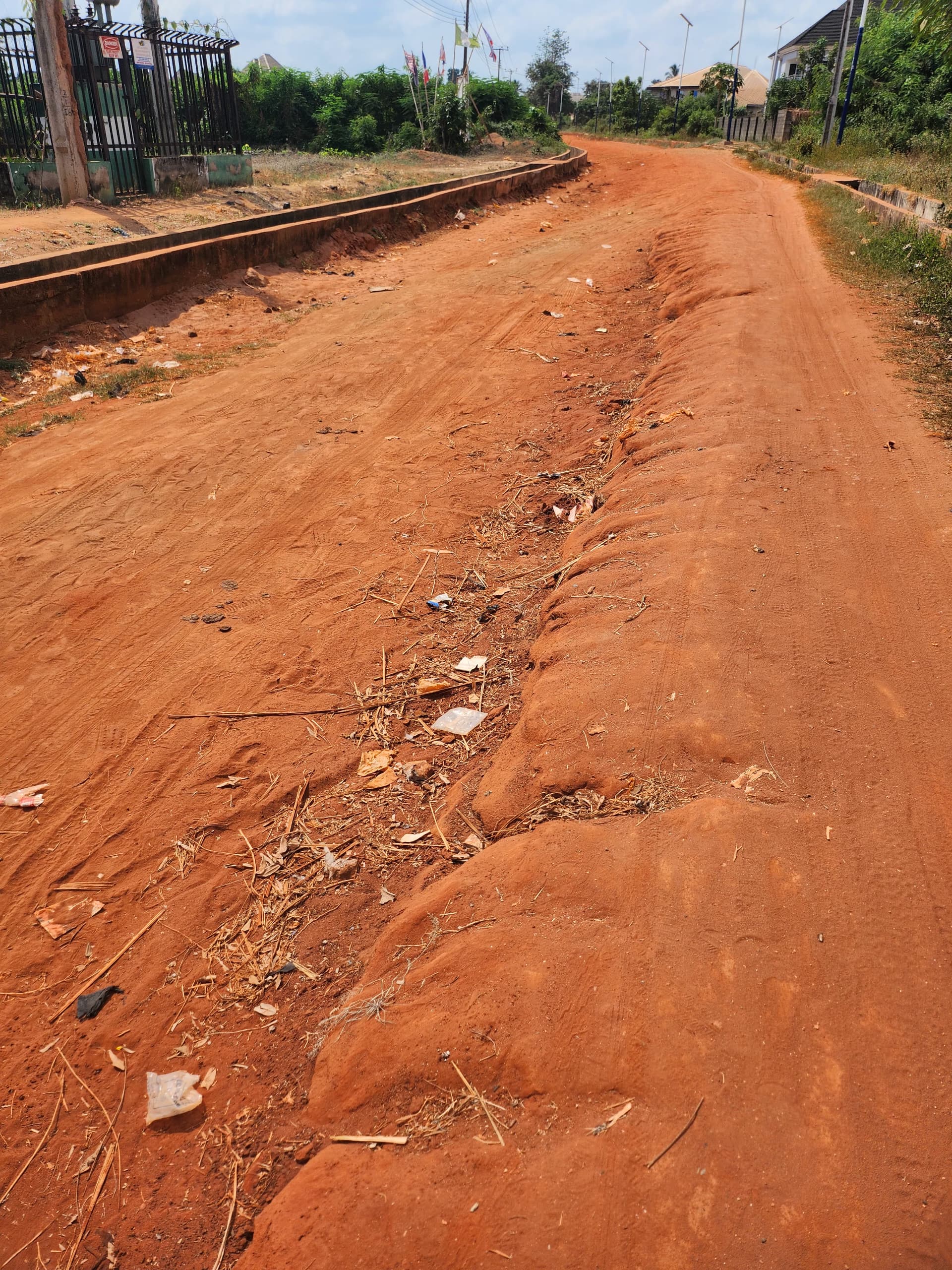
Road infrastructure in Ebu paints an equally distressing picture. The community cannot boast of a single good road. Major internal roads, including the popular Palace Road where the health centre is located, have been severely damaged by gully erosion. During the rainy season, many of these roads become completely impassable. Students are often unable to attend school, as erosion has eaten deep into the roads, cutting off access and worsening an already dire situation. It is indeed a sorrowful condition that Ebu community faces today.
Access to clean and safe drinking water remains a major challenge. In the 21st century, residents of Ebu still rely on streams and rivers for survival. These sources are often contaminated, exposing the people to waterborne diseases such as cholera, with grave consequences for public health.
The state of education in Ebu is no less alarming. Public schools in the community are in a dilapidated state, marked by collapsing structures and poor learning environments that discourage both teachers and pupils.
Under such conditions, it is difficult to speak of quality education, as the future of Ebu’s children hangs precariously in the balance.
Despite these numerous challenges, the people of Ebu have remained peaceful, law-abiding, and politically active. They have consistently performed their civic duties by participating in elections and, for many years, supported the ruling party in Delta State. Unfortunately, this loyalty has not translated into meaningful development or improved living conditions for the community.
With deep pain and frustration, residents now ask: What sin did Ebu commit to deserve such prolonged abandonment? Why has a peaceful, hardworking, and loyal community been left to struggle alone for decades?
The people of Ebu are therefore passionately appealing to the amiable Governor of Delta State, Rt. Hon. Sheriff Oborevwori, fondly known as “Mr. Project,” to remember their community. They are calling for urgent government intervention in healthcare, road infrastructure, erosion control, water supply, education, and other critical areas of development—before Ebu is completely erased from the developmental map of Delta State.
Ebu is not asking for special treatment. The community seeks only fairness, inclusion, and access to the basic dividends of democracy that every community in Delta State rightfully deserves.