

By: Ike Philip Abiagom
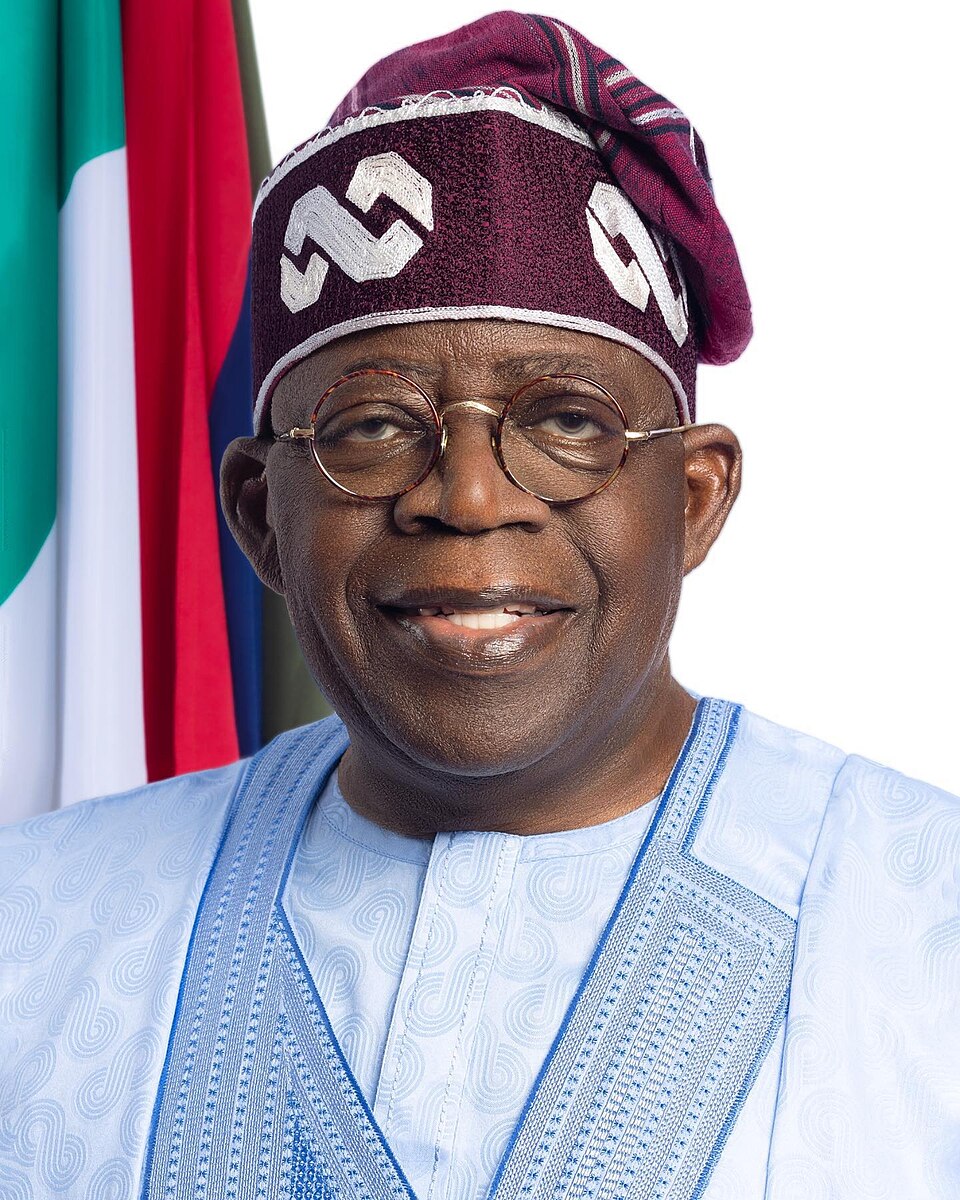
Since President Bola Ahmed Tinubu assumed office in May 2023 and took the bold decision to remove fuel subsidy, Nigerians have faced economic hardship and rising living costs. While many citizens continue to feel the effects of the reforms, it is important to place responsibility where it belongs and objectively assess the impact of the President’s policies.
The truth is that fuel subsidy had long been acknowledged as an unsustainable and corruption-ridden system. During the 2023 election campaigns, major presidential candidates agreed that the subsidy regime was a scam that drained public resources and would eventually have to be removed. President Tinubu merely implemented a decision that many experts and political leaders had already accepted as inevitable.
Despite the temporary pains associated with the reforms, there is growing evidence that the policy is yielding results. One of the most significant outcomes is the substantial increase in revenue accruing to states and local governments through the Federation Account Allocation Committee (FAAC). Today, many state governments and local government councils receive allocations that are several times higher than what they received before the subsidy removal.
Before the current administration came into office, many state governments struggled to pay workers’ salaries and often relied on bank loans to fund basic government operations. In some states, salary arrears became a recurring issue, while development projects were abandoned due to lack of funds. Today, the situation has improved considerably, with most states paying salaries more regularly and embarking on various infrastructure projects.
This reality raises an important question: if states and local governments are receiving significantly more funds than before, why do many communities still lack good roads, potable water, quality healthcare facilities, and employment opportunities? Why are many rural areas still grappling with poor infrastructure and inadequate social services?
The answer lies not in Abuja but largely in the performance of state governors and local government chairmen, who are constitutionally responsible for many of the services that directly affect grassroots communities. Roads within communities, primary healthcare centres, rural electrification, markets, schools, and sanitation are areas where state and local governments play critical roles.
President Tinubu’s reforms have expanded the resources available to sub-national governments. The challenge now is for governors and local government chairmen to ensure that these resources are translated into meaningful development projects that improve the lives of ordinary Nigerians. Citizens deserve transparency and accountability regarding how increased allocations are being spent.
Rather than directing all blame at the President, Nigerians should also demand accountability from state and local government officials who now have greater financial capacity to address community needs. Development at the grassroots level depends largely on how effectively these funds are managed and invested.
The Tinubu administration has laid the foundation for fiscal reforms and increased government revenues. The next stage requires responsible leadership at the state and local government levels. Governors and local government chairmen must rise to the occasion by prioritizing projects that create jobs, improve infrastructure, and enhance the welfare of the people.
While the economic reforms may have brought short-term challenges, their long-term success will depend on how well state and local governments utilize the opportunities created by increased revenues. For millions of Nigerians at the grassroots, the expectation is simple: the benefits of these reforms must be felt in their daily lives through visible and sustainable development.