


By : Ike Philip Abiagom
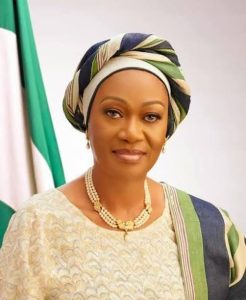
In recent days, public discourse has been dominated by reactions to First Lady Senator Oluremi Tinubu’s remarks encouraging women to embrace small-scale entrepreneurial ventures such as frying akara, roasting corn, and selling roasted plantain.
What was intended as a message of economic empowerment quickly became the subject of criticism, political attacks, and social media ridicule.
Yet, amid the noise surrounding the so-called “Akara Controversy,” an important question remains: Does one statement outweigh decades of public service and a proven record of empowering Nigerians?
For Senator Oluremi Tinubu, the answer lies in her track record.
Long before becoming Nigeria’s First Lady, she established herself as one of the country’s most accomplished female politicians, serving three consecutive terms in the Senate and championing legislation and programmes that positively impacted women, youths, and vulnerable citizens.
Throughout her years in public service, Senator Tinubu has consistently advocated for education, healthcare, women’s empowerment, and poverty reduction.
Her commitment to these causes did not begin with her current role as First Lady; it has been the defining feature of her public life.
Under the Renewed Hope Initiative, she has expanded opportunities for thousands of Nigerians through targeted intervention programmes. Women traders have received grants to strengthen their businesses.
Students have benefited from scholarships and educational support. Vulnerable groups, including persons living with disabilities and the elderly, have received assistance aimed at improving their quality of life.
Her initiatives have also extended into healthcare, where support has been provided for campaigns against tuberculosis, breast cancer, malnutrition, and other public health challenges. Through partnerships and advocacy programmes, she has continued to draw attention to issues affecting the nation’s most vulnerable populations.
In the area of digital inclusion, programmes designed to equip women and young people with technological skills have opened doors to opportunities in the modern economy.
These efforts reflect a broader vision of empowerment that goes beyond temporary assistance and seeks to create sustainable pathways to economic independence.
Unfortunately, in Nigeria’s highly polarized political environment, achievements are sometimes overlooked while isolated comments become magnified. Political opponents and critics often focus on a single phrase without considering the context or the larger body of work behind it.
The First Lady’s remarks about small businesses should be viewed within the broader philosophy of entrepreneurship and self-reliance that has empowered millions across the world. Many successful businesses started as modest ventures before growing into major enterprises.
There is dignity in honest labour, regardless of how humble the beginning may be.
Constructive criticism is a healthy part of democracy, but fairness demands that public figures be judged not only by individual statements but also by their contributions and accomplishments.
As Nigerians continue to debate the issue, it is worth remembering that Senator Oluremi Tinubu’s public service record spans decades of advocacy, empowerment, and humanitarian interventions. Those achievements have touched lives in communities across the country and continue to make a difference.
The “Akara Controversy” may dominate headlines today, but headlines fade. Impact endures.
In the final analysis, Senator Oluremi Tinubu’s record of service, empowerment, and commitment to national development speaks far louder than any controversy.