

By: Ike Philip Abiagom
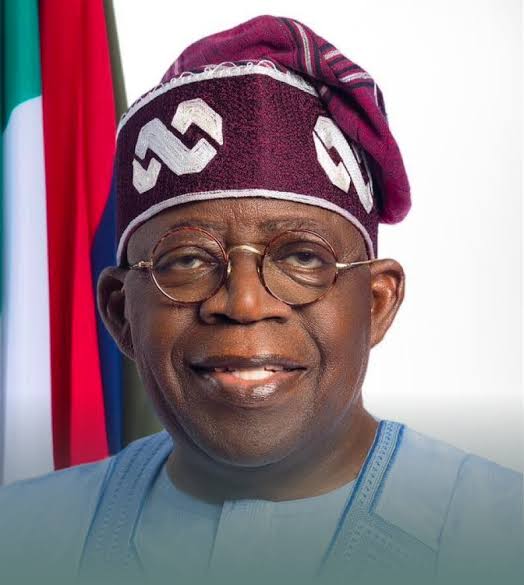
 The emergence of President Bola Ahmed Tinubu as Nigeria’s leader has continued to attract widespread attention, not only because of his long political journey but also due to the historic milestones associated with his presidency.
Popularly known as “Asiwaju,” Tinubu’s rise to the highest political office in the country is being celebrated by supporters as a defining moment in Nigeria’s democratic history.
Political observers and admirers have highlighted several unique records associated with the President’s emergence.
Tinubu is widely recognized as the first Southern Muslim to become President of Nigeria, a development many described as a significant moment in the nation’s political evolution.
He is also regarded as the first indigene of Lagos to occupy the office of President since Nigeria gained independence in 1960.
Before becoming President, Tinubu served as a Senator during the aborted Third Republic, making him one of the few former lawmakers to eventually rise to the nation’s highest office.
Supporters have therefore described him as the first Senator to become President of Nigeria in the current democratic dispensation.
Tinubu’s academic and professional background has also remained part of the public discourse surrounding his leadership. Known for his training in accounting and financial management, he is widely acknowledged by supporters as the first President with a strong background in accounting and revenue management.
Many political analysts believe his reputation as a financial strategist was strengthened during his tenure as Governor of Lagos State between 1999 and 2007, where he spearheaded major revenue reforms that significantly increased the internally generated revenue of the state.
Under his administration in Lagos, the state witnessed aggressive infrastructural expansion, economic reforms, and improved tax administration, earning him the reputation of a revenue generation expert among supporters and political associates.
Supporters of the President argue that these experiences have positioned him to tackle Nigeria’s economic challenges and drive reforms aimed at national development.
Across social and political circles, many Nigerians continue to express hope that Tinubu’s leadership will bring economic growth, national stability, and sustainable development to the country.
while reflecting on the President’s journey, Grassroots Publishers offered prayers for the success of the administration, expressing optimism that Tinubu’s leadership would leave a lasting impact on Nigeria’s political and economic future.
As debates continue over policies and governance, supporters insist that Tinubu’s emergence remains one of the most symbolic political transitions in modern Nigeria, representing resilience, political experience, and strategic leadership.
For many loyalists of the President, the message remains clear — may Asiwaju succeed in his quest to build a stronger and more prosperous Nigeria.