

By: Ike Philip Abiagom & Eurgo Precious
 For two decades, the people of Ebu community in Oshimili North Local Government Area of Delta State have lived in unbroken darkness — a situation that has steadily eroded livelihoods, displaced families, and left a once-thriving settlement on the brink of decline.
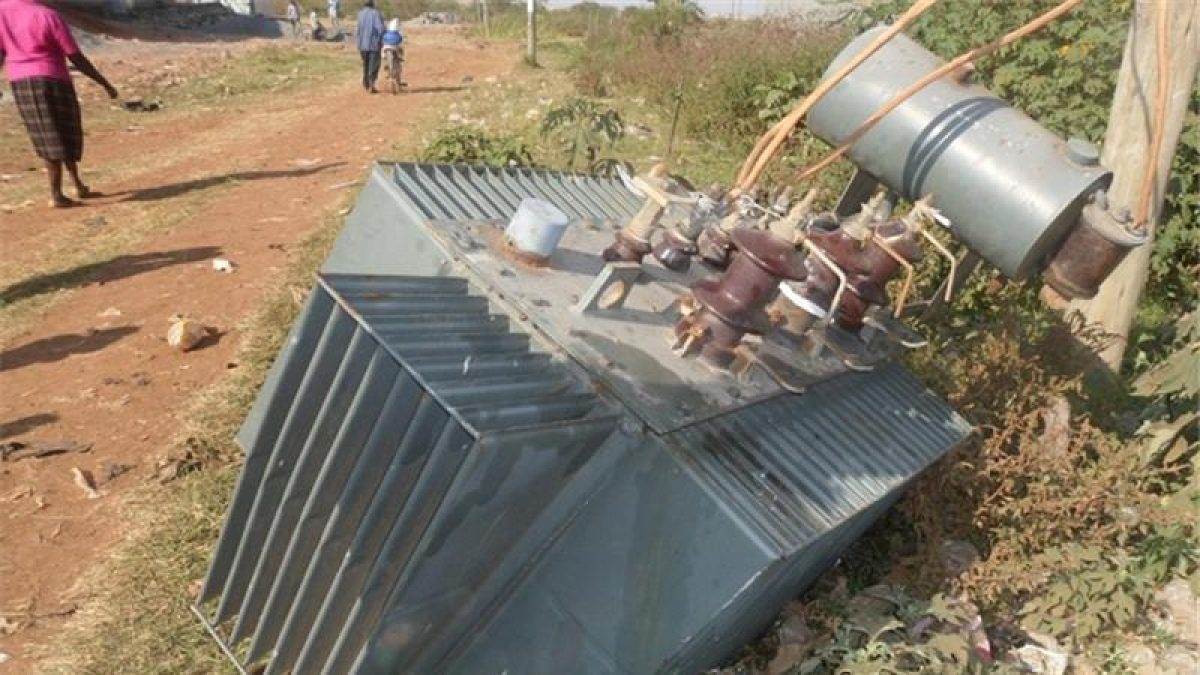
Since 2006, when the community’s transformer was reportedly carted away, Ebu has remained without electricity. What began as a temporary setback has now stretched into a 20-year crisis, with devastating consequences for residents and the local economy.
Community members recount how the loss of power marked the beginning of a gradual collapse. Without electricity, businesses that once sustained families could no longer function. Skilled workers — welders, barbers, and aluminium fabricators — were forced to abandon their trades and relocate to areas with stable power supply.
After the transformer was stolen, everything changed,” a resident said. “People began to leave. Those who stayed behind had to struggle daily just to survive.
The absence of electricity also created an environment for further losses.
Residents allege that criminal elements took advantage of the situation, looting infrastructure and private property. Electric cables, pipes, pumping machines, and even building materials were stripped away, often before property owners noticed.
Today, many parts of Ebu stand sparsely populated, with visible signs of neglect. Electric poles erected by the community in anticipation of a replacement transformer remain unused — silent symbols of hope deferred.
For younger residents, the situation is especially stark. Some teenagers born nearly two decades ago have never experienced electricity in their lifetime. The familiar national chant of “Up NEPA” — once a spontaneous celebration of restored power — is something they have only heard about, never witnessed.
Daily life in Ebu is defined by hardship.
Residents endure intense heat without fans, struggle to preserve food without refrigeration, and travel long distances to access basic services such as cold drinks or phone charging. Simple domestic tasks, like ironing clothes, have become luxuries.
The economic toll has been severe. Small businesses that depend on electricity — from frozen food vendors to hairdressers — have either shut down or relocated. Women seeking to start small-scale enterprises face limited opportunities, further weakening household incomes and community resilience.
Despite repeated appeals, the situation remains unresolved. Community leaders say several letters have been sent to government officials, commissioners, and elected representatives, seeking intervention.
While promises have been made over the years, no concrete action has materialized.
In a bid to demonstrate commitment, residents have taken matters into their own hands, contributing funds to procure wooden poles and electric cables. Yet the most critical component — a transformer — remains out of reach.
As frustration grows, the people of Ebu are making a renewed appeal to the Delta State Government and relevant federal authorities to come to their aid. They are specifically calling on Governor Sheriff Oborevwori to prioritize the restoration of electricity to the community.
Ebu town is gradually disappearing and they are not asking for too much — just electricity, so that the people of Ebu can rebuild their lives again.
For Ebu, the return of power would mean more than light. It would signal a chance at revival — a restoration of dignity, opportunity, and hope for a community that has spent far too long in the dark.